Project Overview

Rethinking feedback inside Figma - Time-boxed, Version-Aligned & Iterative Review sessions

Rethinking feedback inside Figma - Time-boxed, Version-Aligned & Iterative Review sessions

In this project, I explored how feedback could become a first-class part of the design workflow inside Figma, keeping it structured, time-aware, and aligned with how designers iterate rather than existing as never ending comments..

In this project, I explored how feedback could become a first-class part of the design workflow inside Figma, keeping it structured, time-aware, and aligned with how designers iterate rather than existing as never ending comments..

The Everyday Reality

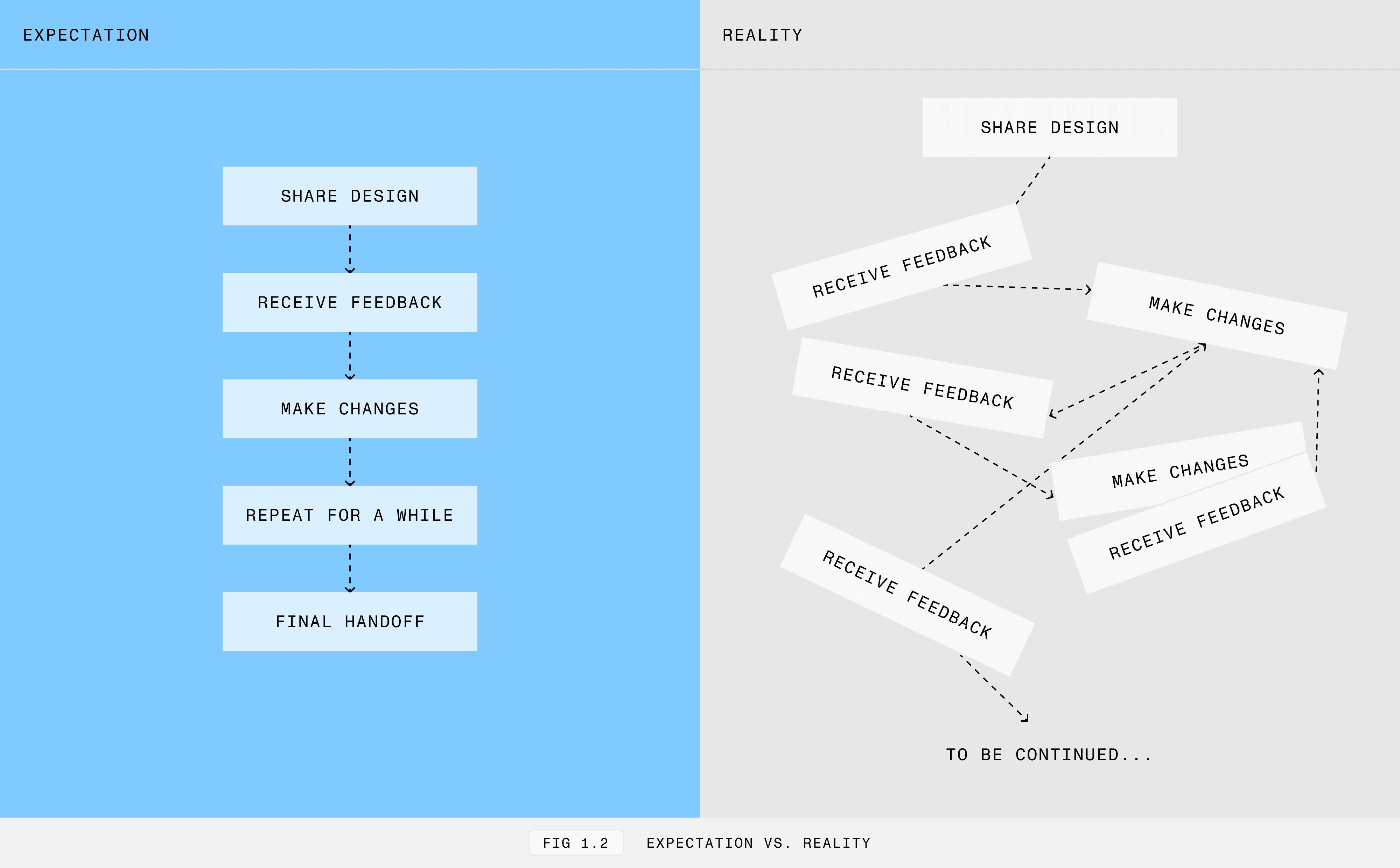
The hardest part of design isn’t designing. It’s dealing with feedback.

The hardest part of design isn’t designing. It’s dealing with feedback.

Designers need feedback to align, iterate, improve, and move forward. But in reality, feedback often shows up as vague opinions, subjective suggestions and endless comments with no clear next steps. What starts as a review, slowly turns into noise.

Designers need feedback to align, iterate, improve, and move forward. But in reality, feedback often shows up as vague opinions, subjective suggestions and endless comments with no clear next steps. What starts as a review, slowly turns into noise.

A 2025 industry source states, “43% of organizations lack processes to make UX and design decisions based on user feedback,” which suggests that while feedback systems are vital, adoption of structured, tool-based feedback still varies widely.

A 2025 industry source states, “43% of organizations lack processes to make UX and design decisions based on user feedback,” which suggests that while feedback systems are vital, adoption of structured, tool-based feedback still varies widely.

The Hidden Cost

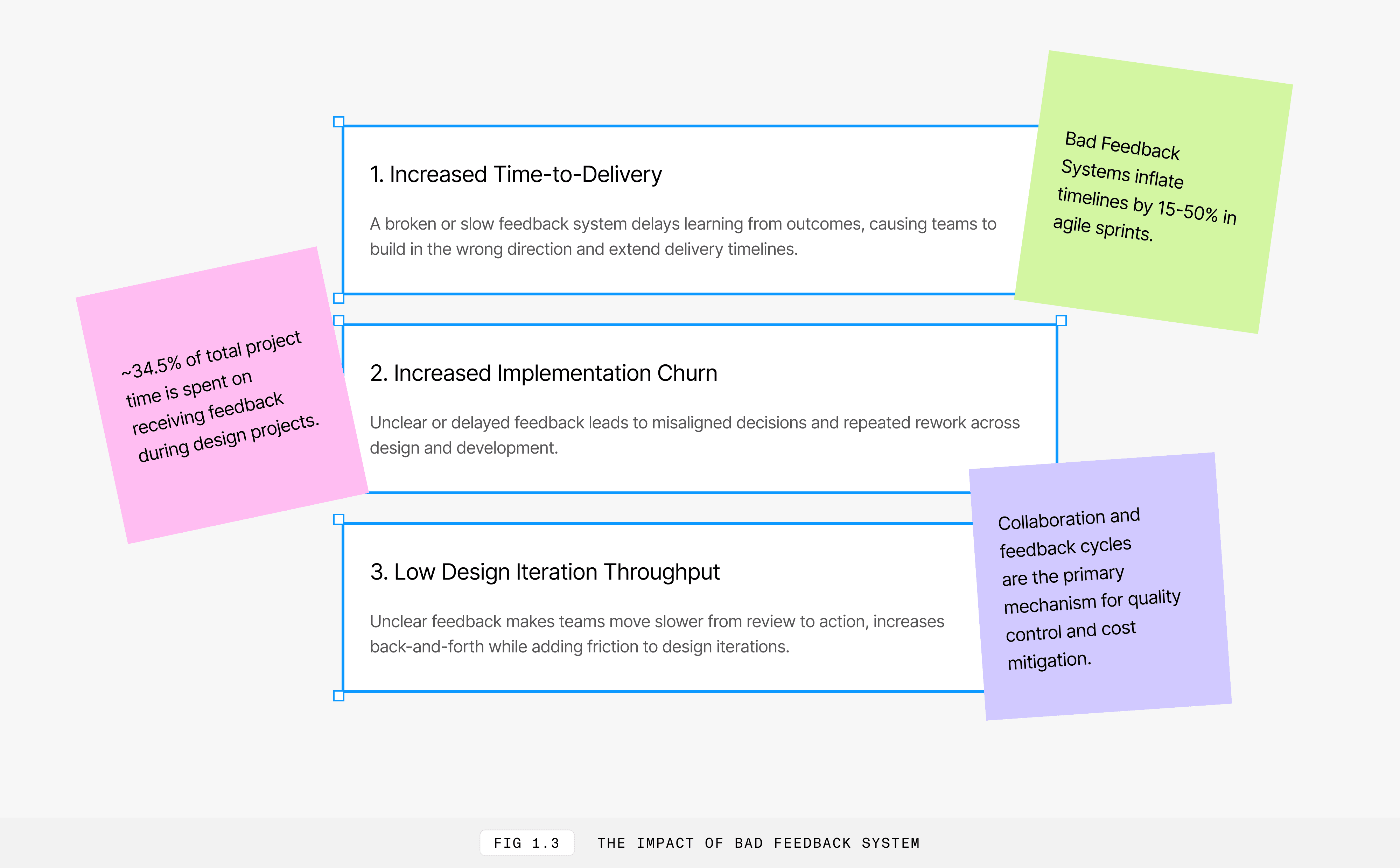
This chaos in reality later shows up in ways PM’s don’t expect.

This chaos in reality later shows up in ways PM’s don’t expect.

Feedback shapes how teams learn, decide and move forward. When the system around feedback breaks down, progress slows, alignment fades, and small delays turn into real delivery risk across design and development.

Feedback shapes how teams learn, decide and move forward. When the system around feedback breaks down, progress slows, alignment fades, and small delays turn into real delivery risk across design and development.

The Pattern I Noticed

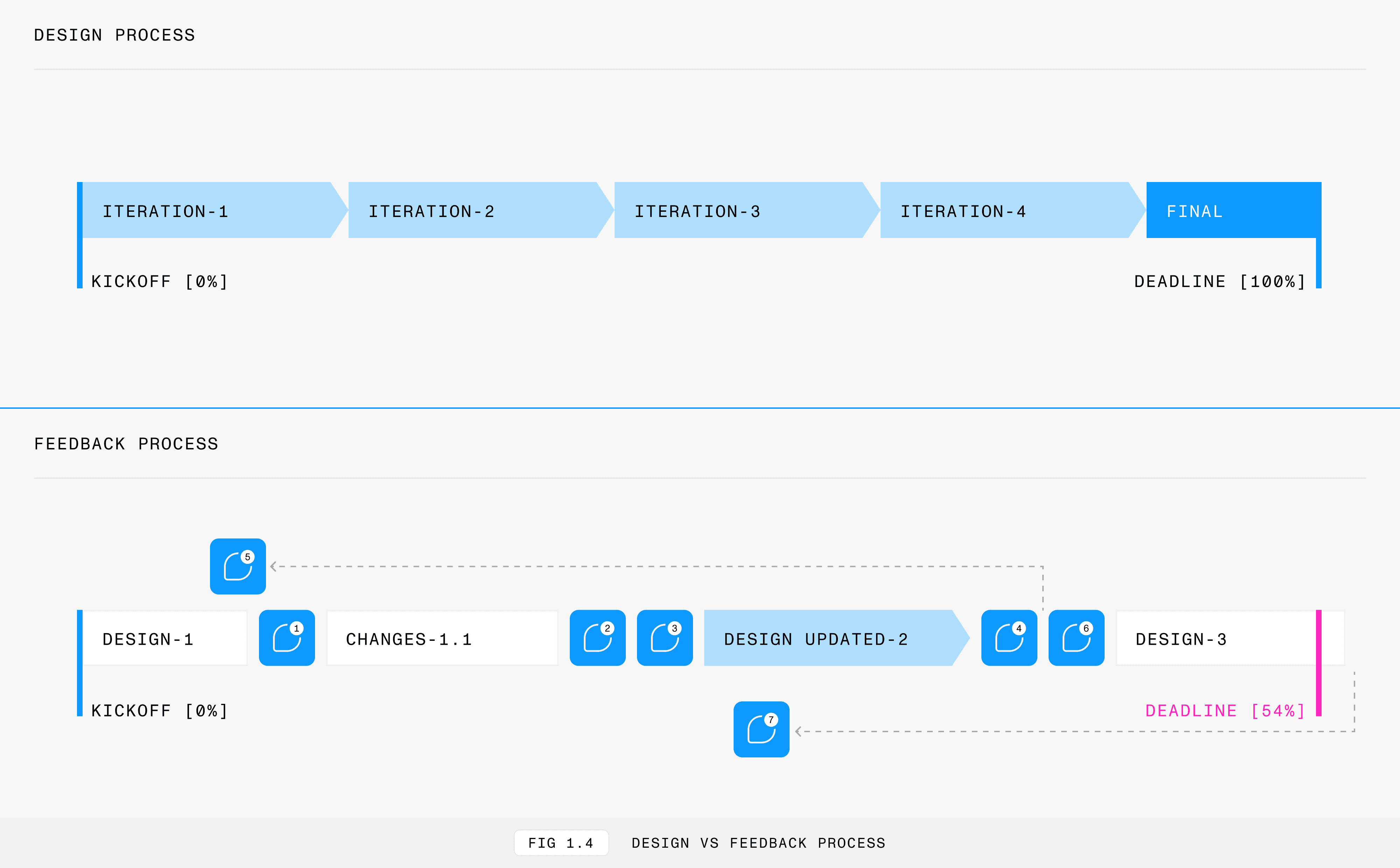
Design moves in iterations. Feedback is not aligned to those iterations.

Design moves in iterations. Feedback is not aligned to those iterations.

Ever noticed how a bad friend ruins good habits? Feedback does the same to design.

Ever noticed how a bad friend ruins good habits? Feedback does the same to design.

Design work naturally progresses in iterations. Each version builds on the last. Feedback, however, has no timing of its own. It can arrive early, late, or mid-iteration, often disconnected from the version it was meant for.

Design work naturally progresses in iterations. Each version builds on the last. Feedback, however, has no timing of its own. It can arrive early, late, or mid-iteration, often disconnected from the version it was meant for.

Figma’s role in this

Why Figma becomes the Crime Scene

Why Figma becomes the Crime Scene

Major Channel for Async Feedback

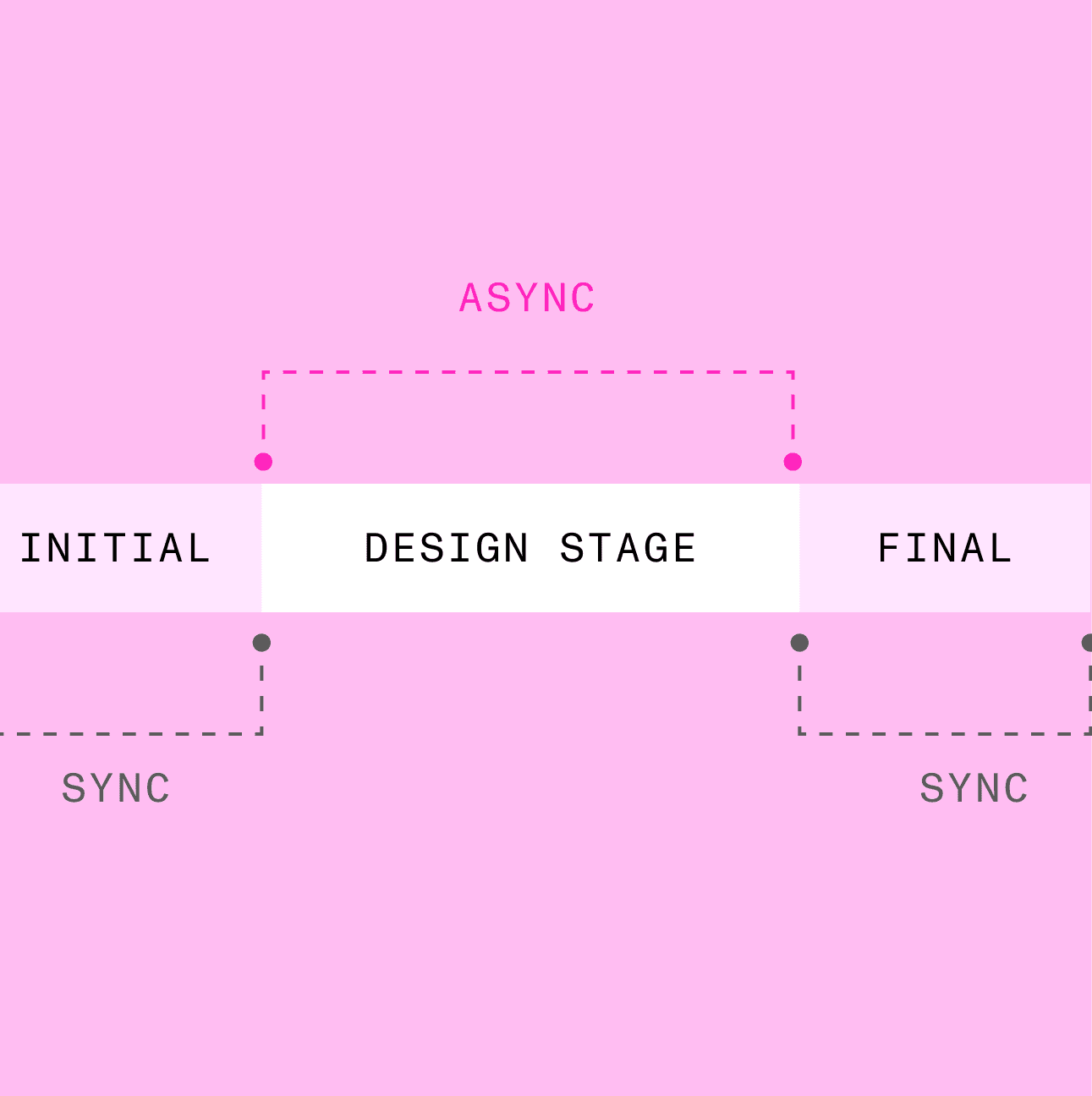
Stakeholders and designers primarily rely on async, in-tool feedback during design stages to preserve visual context.

Most used Design & Collaboration Tool

Figma dominates modern design collaboration, accounting for ~40% of the global design software market.
Isn’t optimized for Good feedback

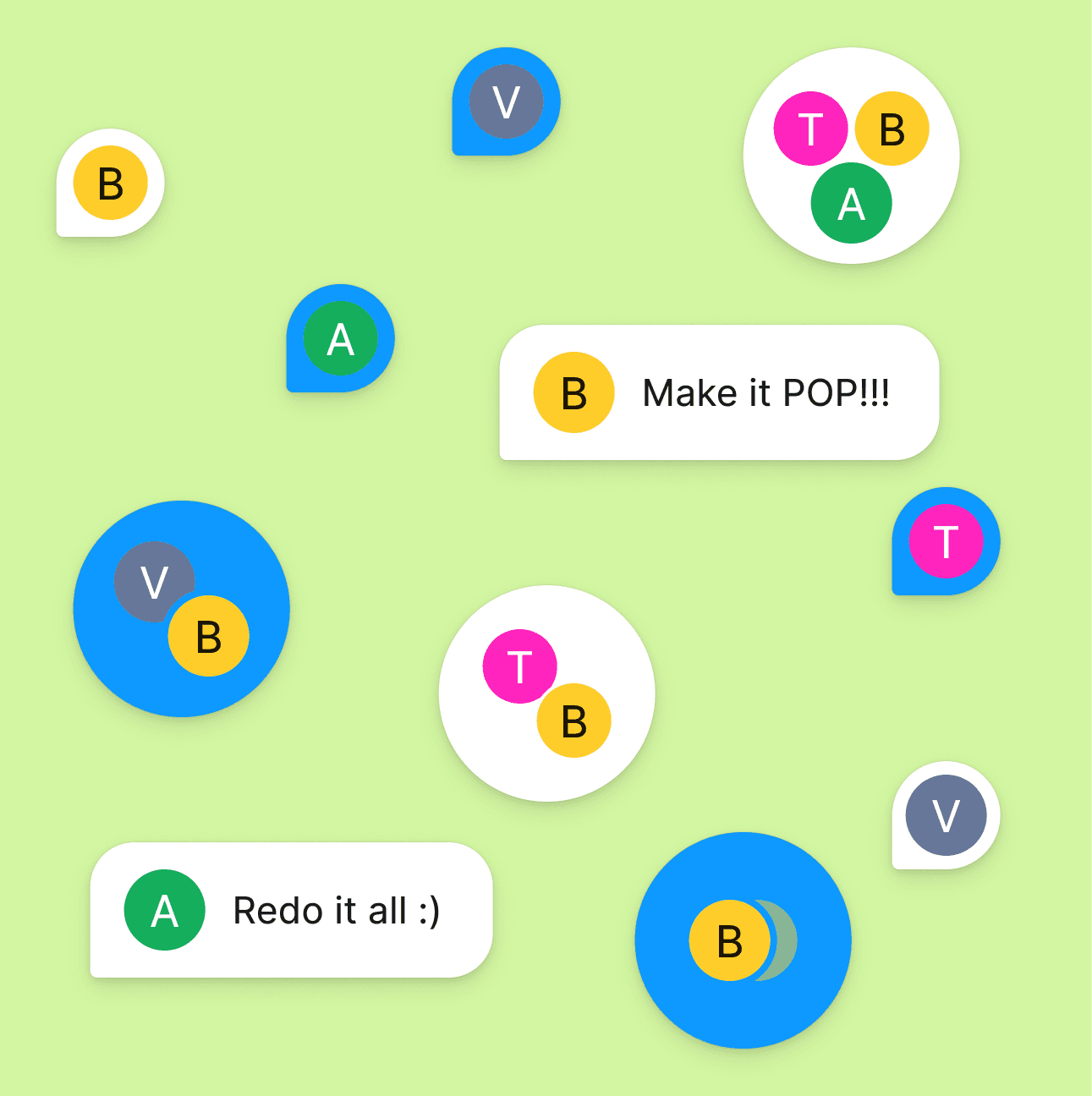
Figma’s commenting system causes “Figma comments bombs” resulting in endless feedback pins of all sorts.

Figma is the most widely used design tool today, and comments are its primary mechanism for asynchronous feedback. Comments are easy to add, contextual, and accessible to designers and stakeholders alike. This makes them ideal for receiving feedback during active design phases. However, Figma comments treat feedback as static notes, not as part of an evolving workflow.

Figma is the most widely used design tool today, and comments are its primary mechanism for asynchronous feedback. Comments are easy to add, contextual, and accessible to designers and stakeholders alike. This makes them ideal for receiving feedback during active design phases. However, Figma comments treat feedback as static notes, not as part of an evolving workflow.

The Behavioral insight

Designers have found a workaround to compensate and survive this mess.

Designers have found a workaround to compensate and survive this mess.

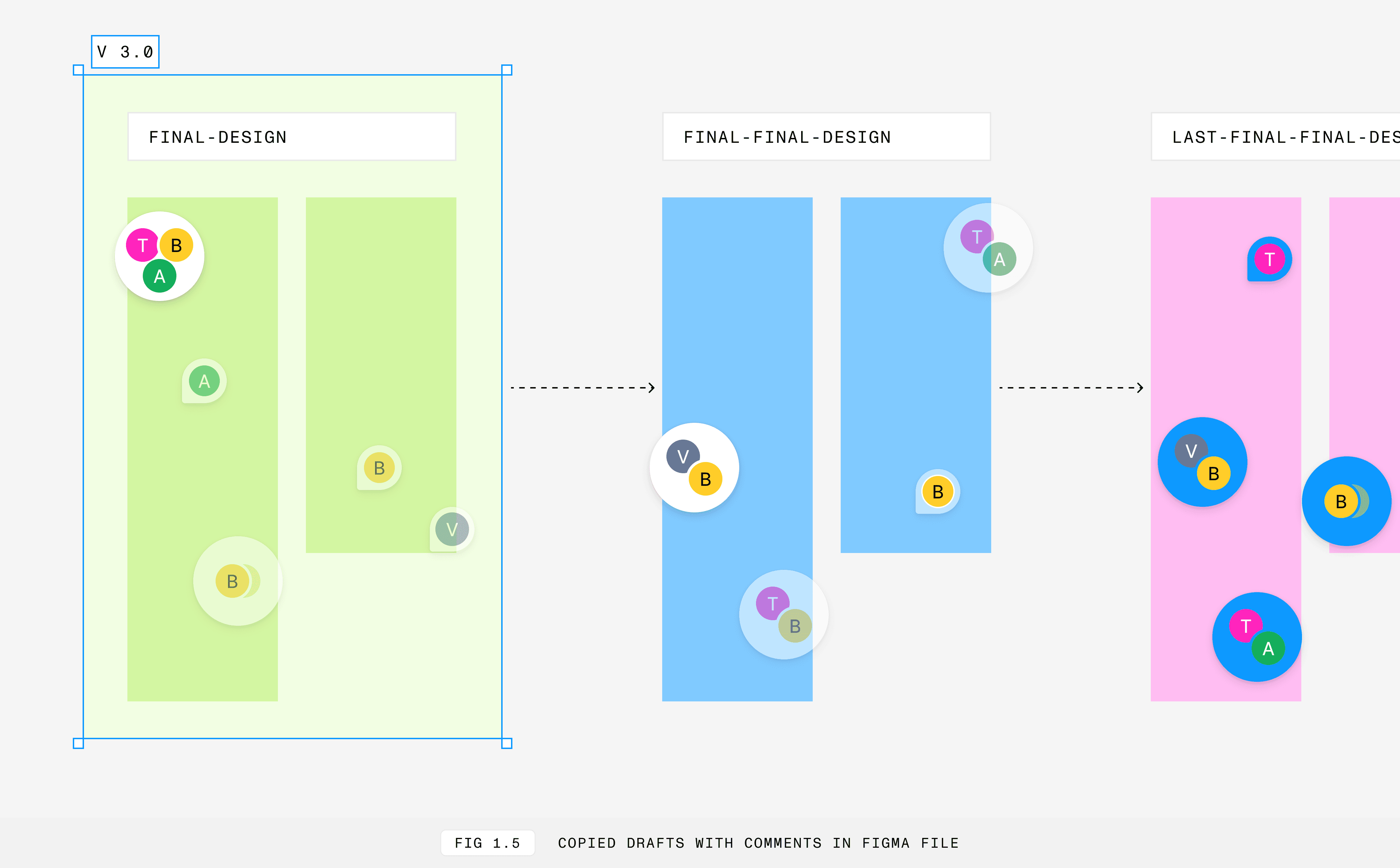
When systems don’t remember, humans create backups. Designers do it by copying files.

When systems don’t remember, humans create backups. Designers do it by copying files.

To avoid losing feedback, designers create manual versioning by copying files. Each version becomes a snapshot preserving both the design and the comments tied to it. This helps them look back and understand past decisions. But copying files doesn’t reduce feedback overload, it adds to it.

To avoid losing feedback, designers create manual versioning by copying files. Each version becomes a snapshot preserving both the design and the comments tied to it. This helps them look back and understand past decisions. But copying files doesn’t reduce feedback overload, it adds to it.

The Core Problem

Feedback doesn’t have a lifecycle, Unlike a design process.

Feedback doesn’t have a lifecycle, Unlike a design process.

So, How might we?

Q. Give feedback a clear beginning and end?

Q. Align feedback with design iterations?

Q. Help designers focus and prioritize?

Although feedback is given throughout the design process, it doesn’t follow the same iterative structure. As a result, designers struggle to keep feedback relevant, actionable, and aligned with each iteration.

Although feedback is given throughout the design process, it doesn’t follow the same iterative structure. As a result, designers struggle to keep feedback relevant, actionable, and aligned with each iteration.

The Solution

Introducing Review Sessions : Time-boxed Comments

Introducing Review Sessions : Time-boxed Comments

The goal was to fix how feedback moves through the design process without changing how people give it. By anchoring feedback to iterations, the system keeps input timely, contextual, and easier to act on while preserving the simplicity of existing collaboration.

The goal was to fix how feedback moves through the design process without changing how people give it. By anchoring feedback to iterations, the system keeps input timely, contextual, and easier to act on while preserving the simplicity of existing collaboration.

Timed Review Sessions

No more endless comments.

No more endless comments.

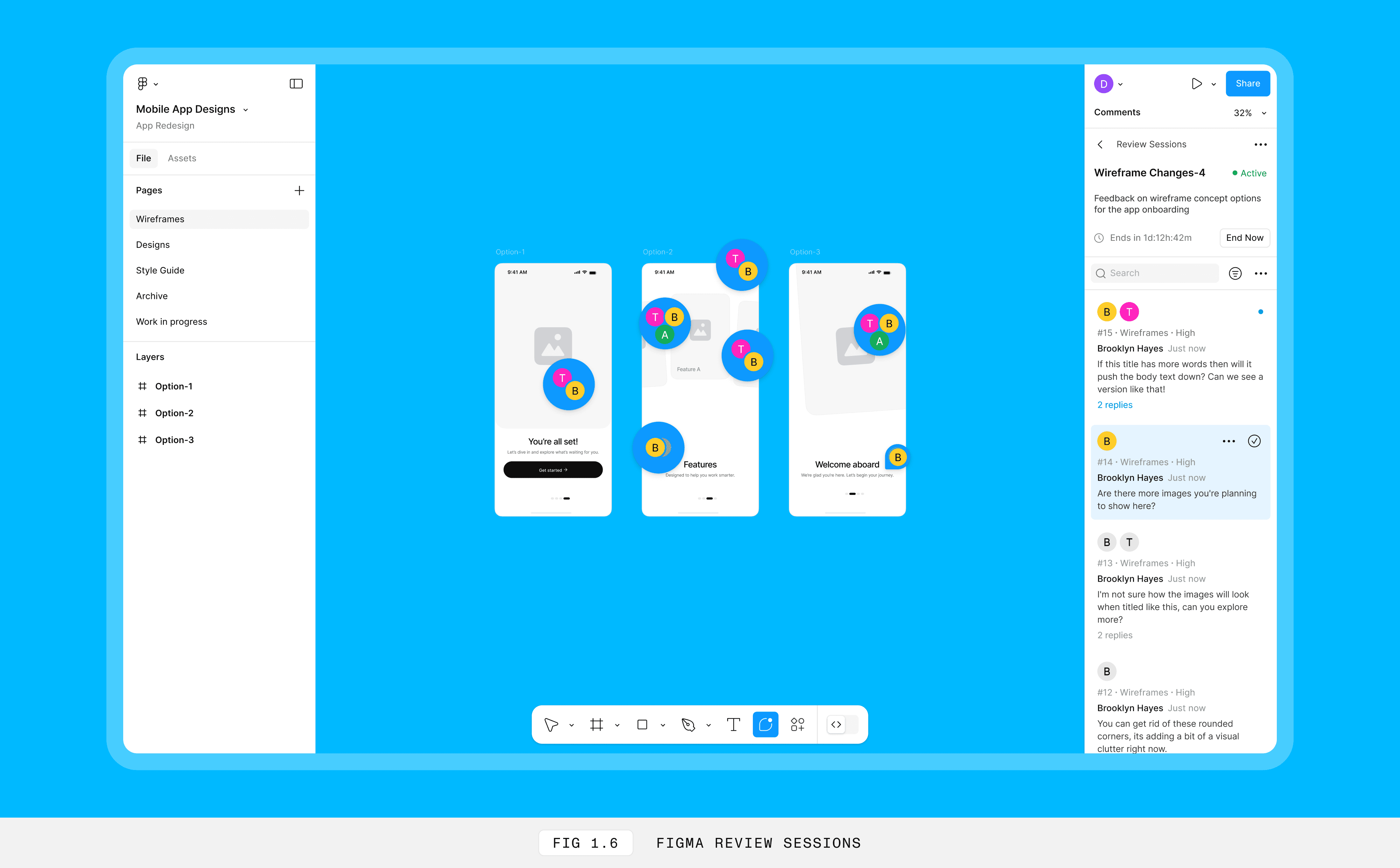
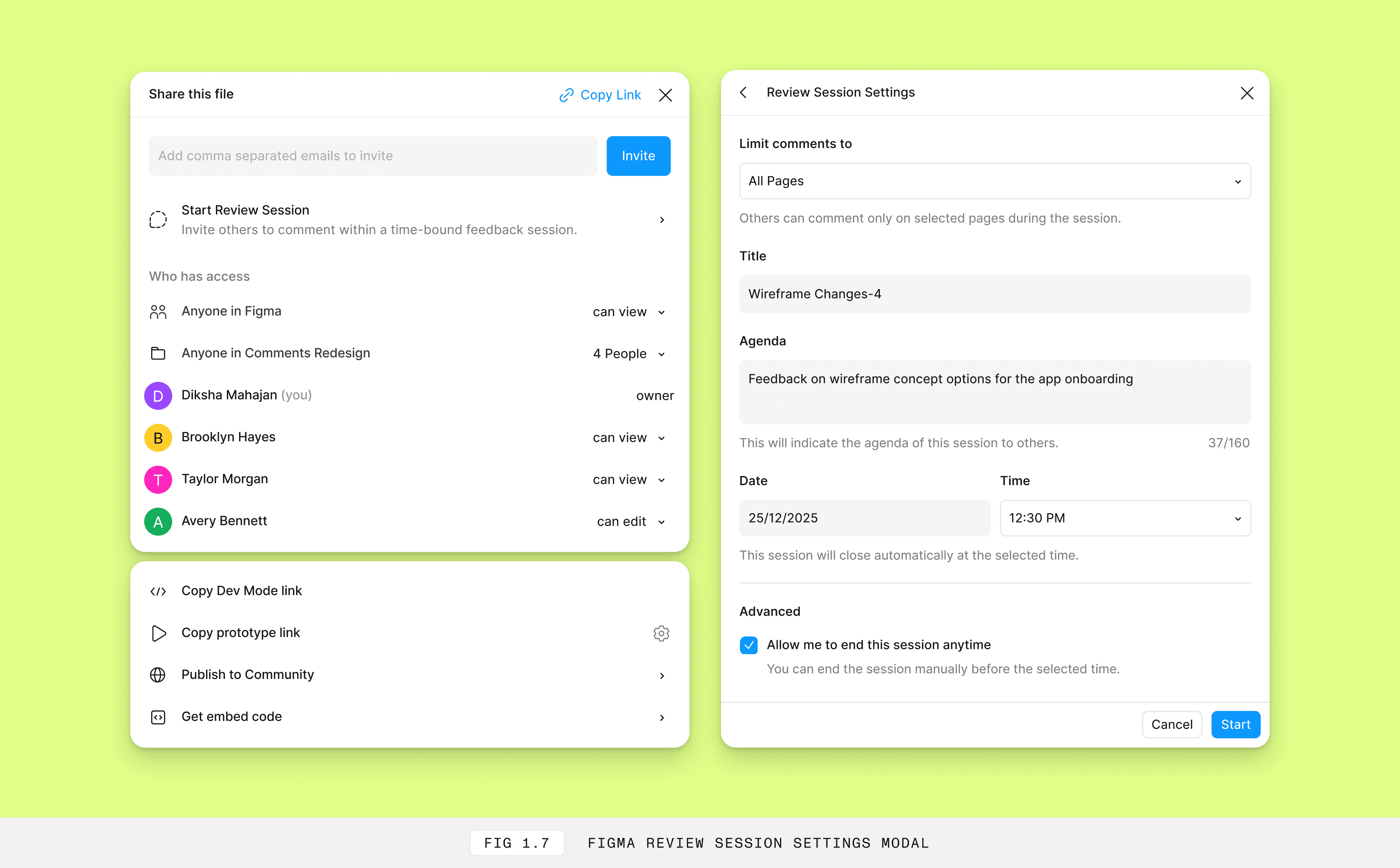
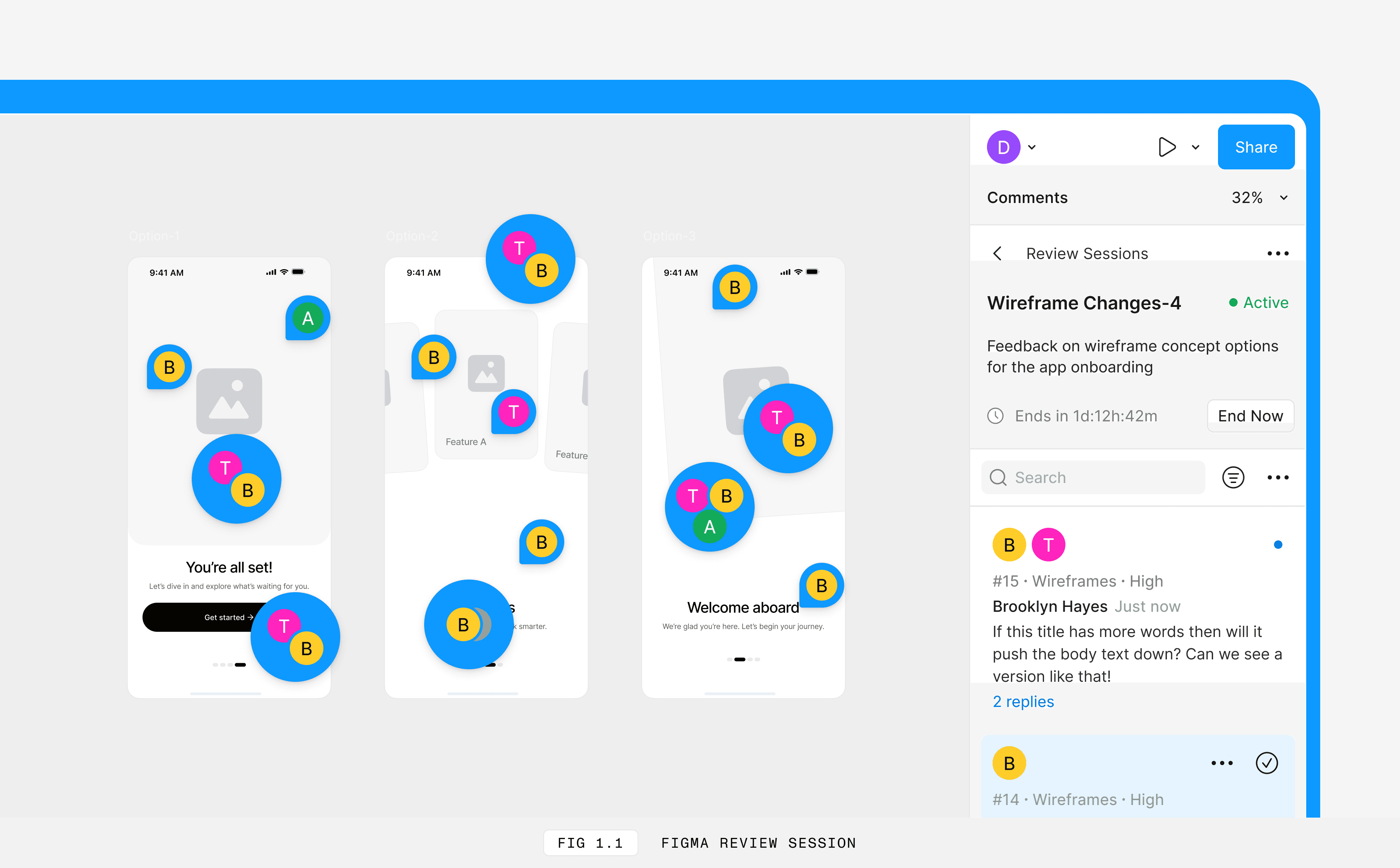
Designers can start a review session directly while sharing a file. By setting an agenda and time window, reviewers know what feedback is needed and when it’s needed.

Designers can start a review session directly while sharing a file. By setting an agenda and time window, reviewers know what feedback is needed and when it’s needed.

Comments Grouping

Focus on what matters at the moment.

Focus on what matters at the moment.

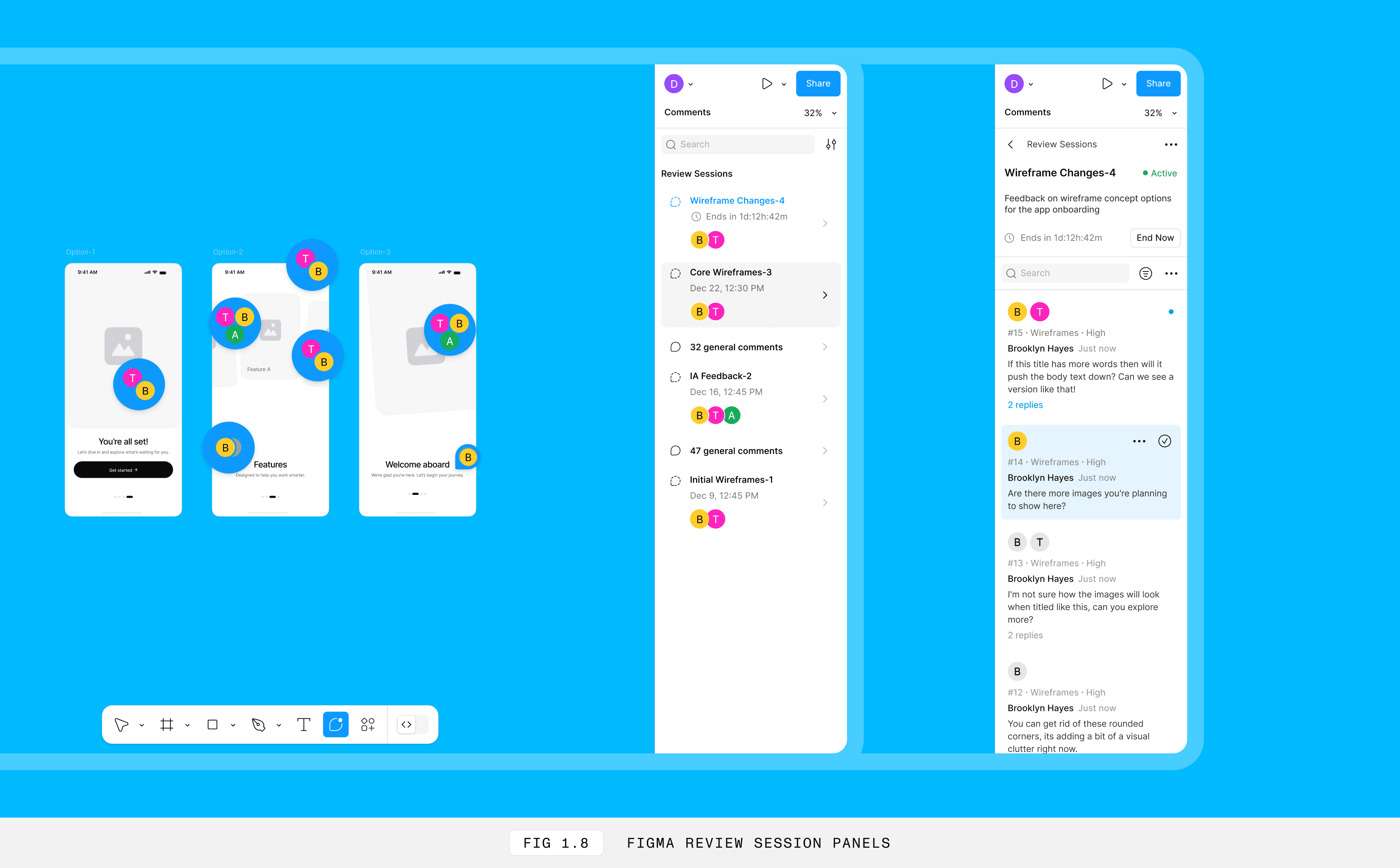
Instead of managing hundreds of comments at once, designers focus on feedback, one session at a time. Past feedback is safely archived and no longer overwhelming.

Instead of managing hundreds of comments at once, designers focus on feedback, one session at a time. Past feedback is safely archived and no longer overwhelming.

Review Sessions as Versions

Iterations saved as versions.

Iterations saved as versions.

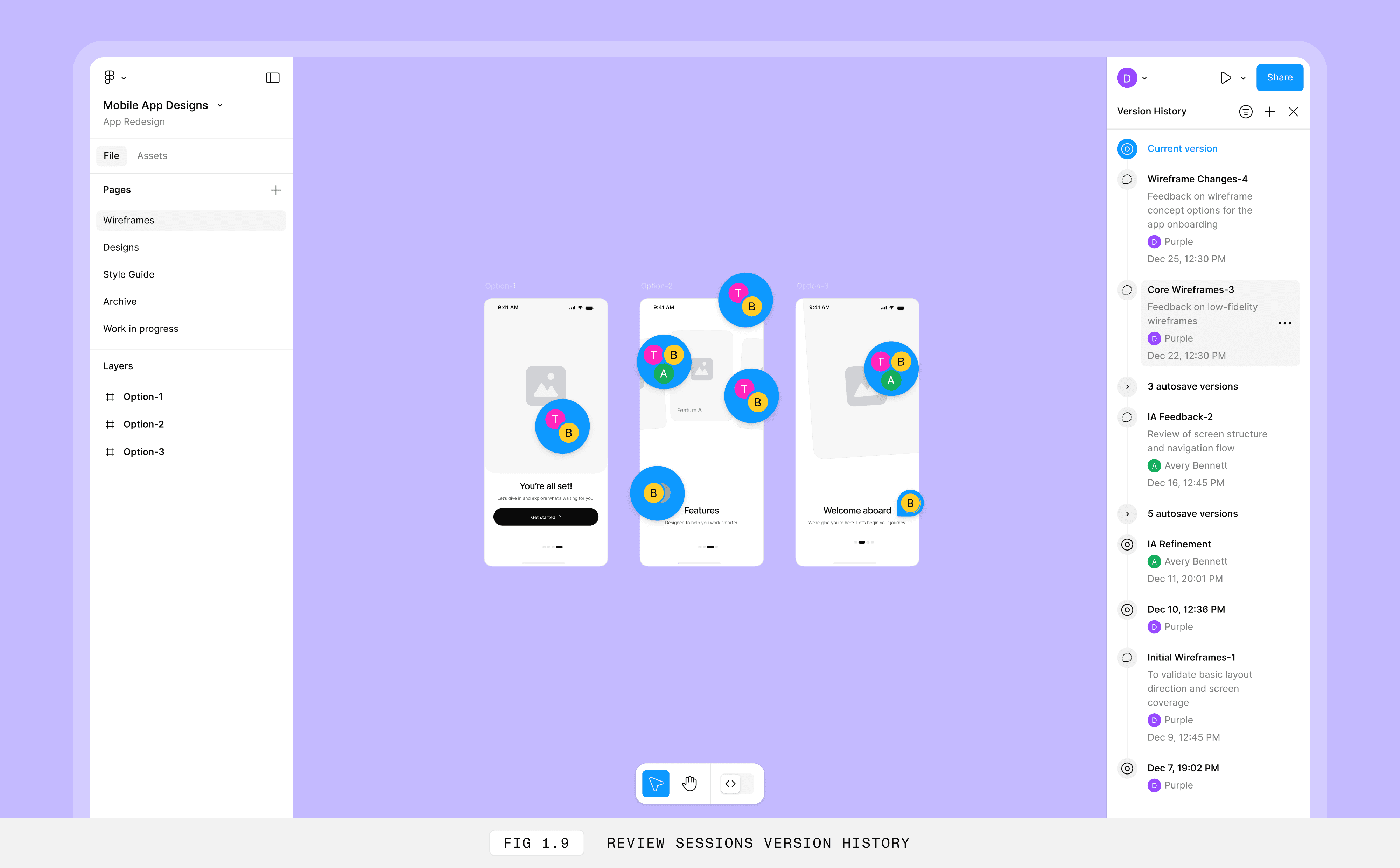
Designers often duplicate files just to preserve feedback context. With review sessions saved as versions, both the design and its feedback are captured together.

Designers often duplicate files just to preserve feedback context. With review sessions saved as versions, both the design and its feedback are captured together.

Comment Priority Tagging

Prioritize feedback with tagging.

Prioritize feedback with tagging.

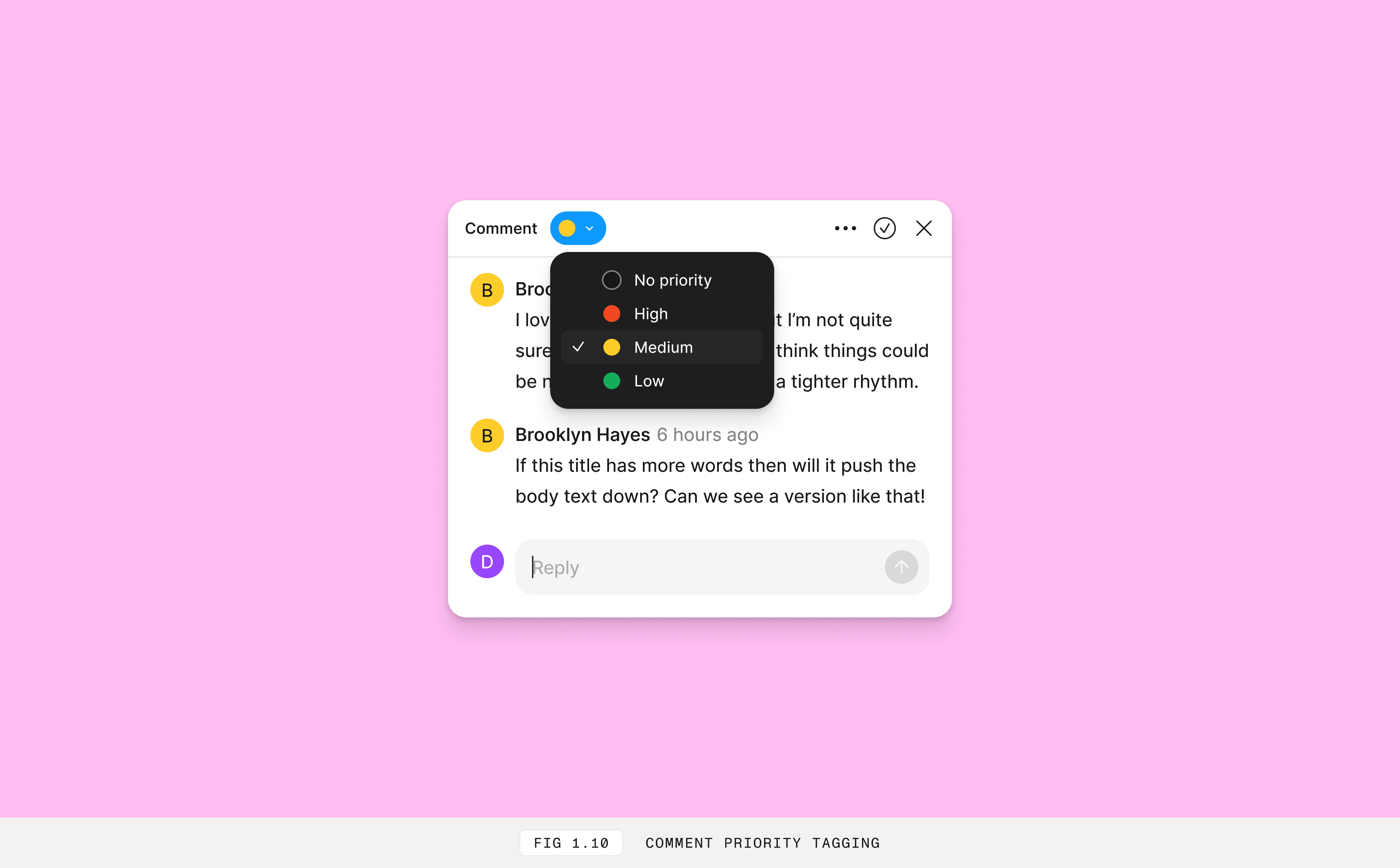
Priority tagging helps designers quickly identify what needs immediate attention and what can wait — reducing cognitive load and decision fatigue during iterations.

Priority tagging helps designers quickly identify what needs immediate attention and what can wait — reducing cognitive load and decision fatigue during iterations.

Impact on Figma

And, Why should Figma Care?

And, Why should Figma Care?

Nearly 50% of designers rate Collaboration as the most important feature in a design tool.

Nearly 50% of designers rate Collaboration as the most important feature in a design tool.

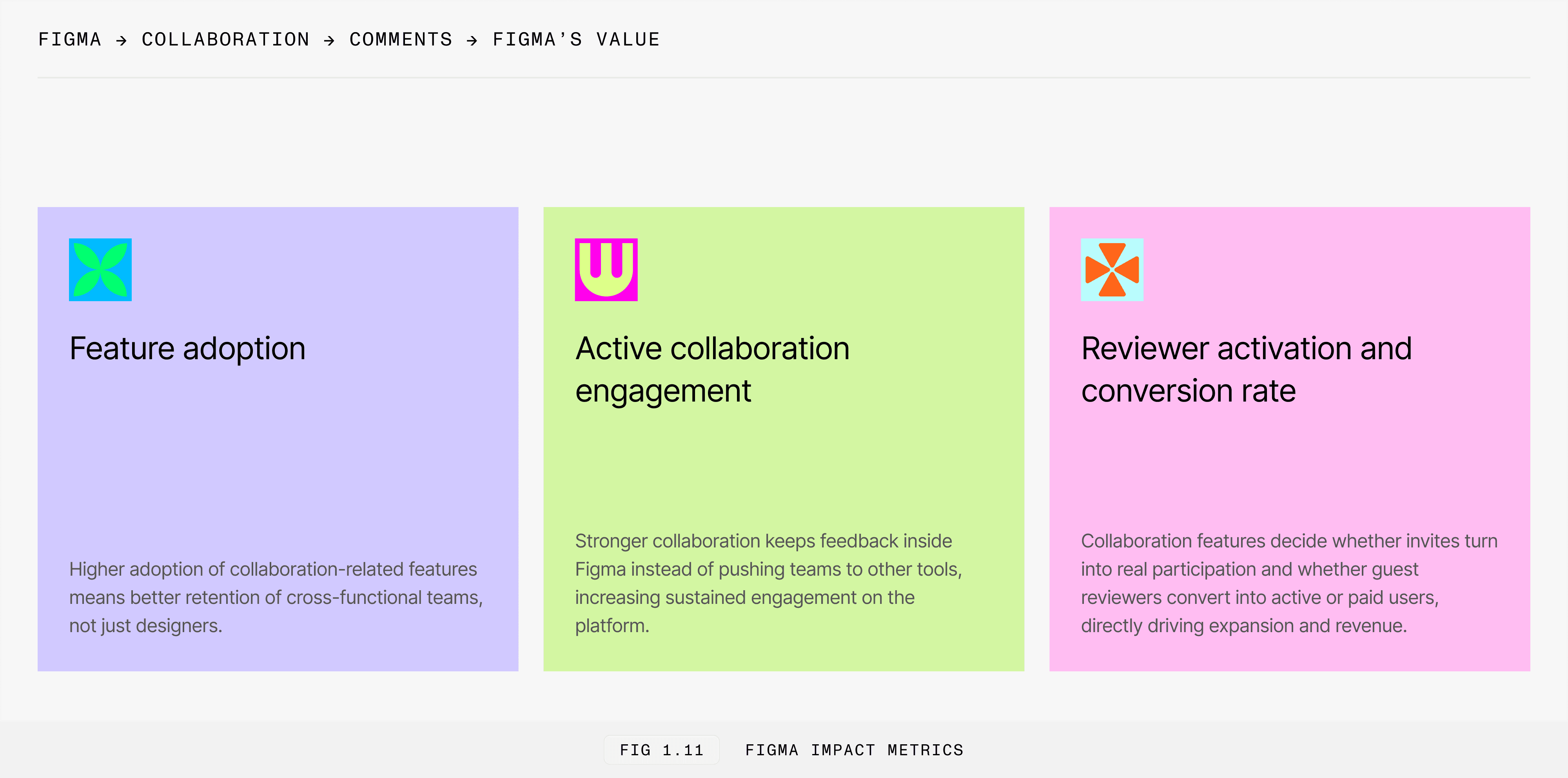
Figma’s growth comes from expanding beyond designers to PMs, developers, and stakeholders. Collaboration is the reason teams stay. Feedback is the most frequent form of that collaboration, and comments sit right at its core.

Figma’s growth comes from expanding beyond designers to PMs, developers, and stakeholders. Collaboration is the reason teams stay. Feedback is the most frequent form of that collaboration, and comments sit right at its core.

Learnings & Challenges

What I learned

What I learned

  • Feedback problems are rarely about tools alone; they’re about how work moves through time.

  • I realized structuring a system doesn’t mean restricting people, it means reducing cognitive load.

  • Small behavioral constraints can unlock large workflow improvements.

  • Designing for designers means respecting existing habits, not forcing new ones.

  • A good solution aligns with how work already happens, not how it should happen.

Challenges I faced

Challenges I faced

  • The hardest part was untangling feedback problems without blaming Figma or existing collaboration habits.

  • It was challenging to simplify a complex, emotional problem without oversimplifying it.

  • I struggled with deciding what not to design, especially when many ideas felt useful but added complexity.

  • Keeping the solution lightweight while still meaningful took multiple iterations and resets.

  • Turning a messy, real-world workflow into a clear narrative was harder than designing the UI itself.

Interested in working together?

Open to full-time product design roles & meaningful collaborations.

Interested in working together?

Open to full-time product design roles & meaningful collaborations.

Interested in working together?

Open to full-time product design roles & meaningful collaborations.

Create a free website with Framer, the website builder loved by startups, designers and agencies.