Project Overview
Bringing structure to the workflow of compliance screening financial reports with a task manager
Bringing structure to the workflow of compliance screening financial reports with a task manager
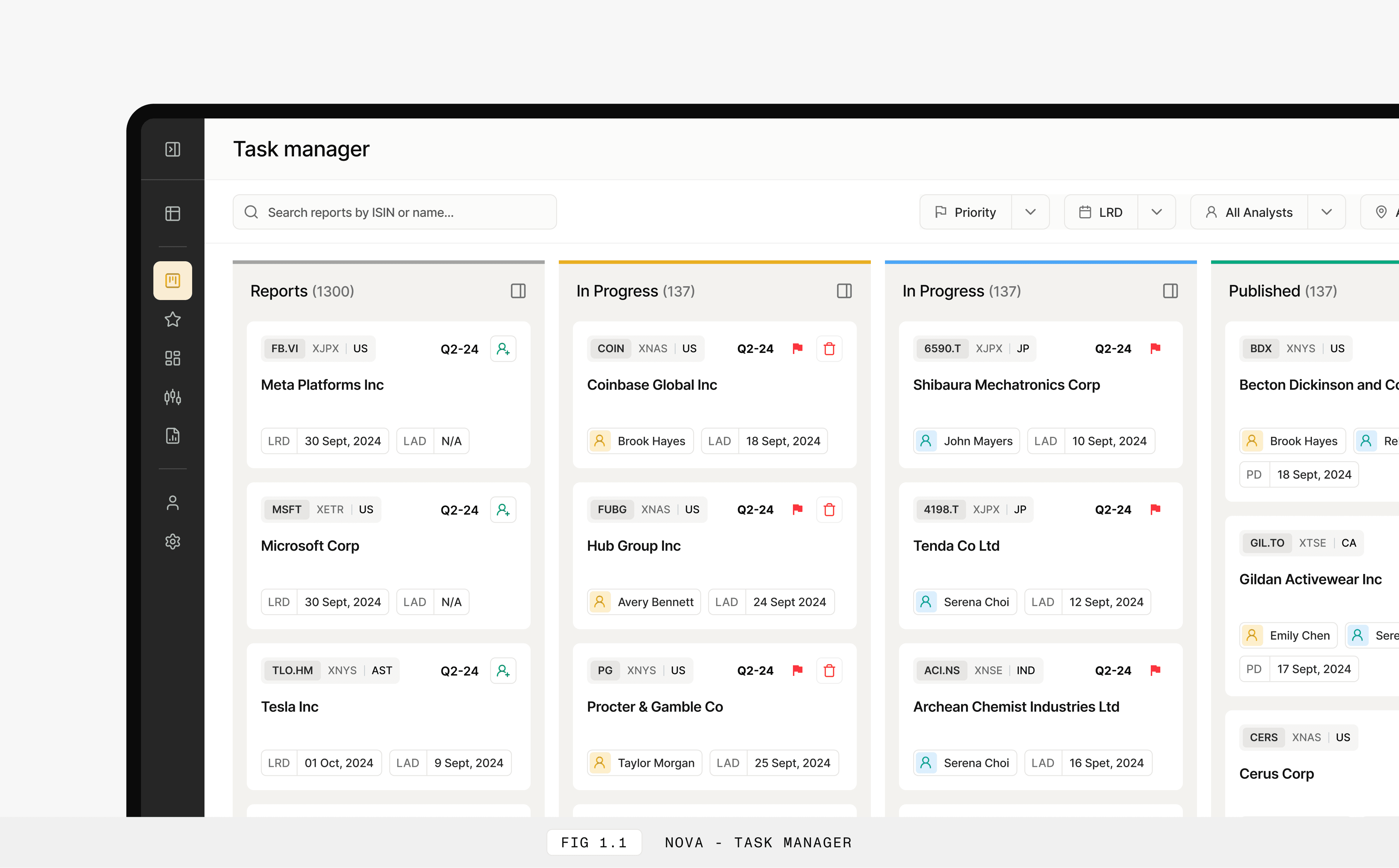
This project focused on redesigning the task management workflow to introduce clear ownership, structured stages, and better visibility into report progress helping analysts manage large volumes of reports more efficiently.
This project focused on redesigning the task management workflow to introduce clear ownership, structured stages, and better visibility into report progress helping analysts manage large volumes of reports more efficiently.
Role
Lead UI/UX Designer
Timeline
3.5 months
Year
2024
Collaborators
Frontend Developers
Backend Developers
QA Tester
Product Leadership
Senior Designers
About the Platform
Nova (formerly Merlin) is an internal enterprise platform used by financial analysts to classify global stocks under Shariah compliance standards (Halal, Not-Halal & Doubtful).
Nova (formerly Merlin) is an internal enterprise platform used by financial analysts to classify global stocks under Shariah compliance standards (Halal, Not-Halal & Doubtful).
Nova (formerly Merlin) is an internal enterprise platform used by financial analysts to classify global stocks under Shariah compliance standards (Halal, Not-Halal & Doubtful).
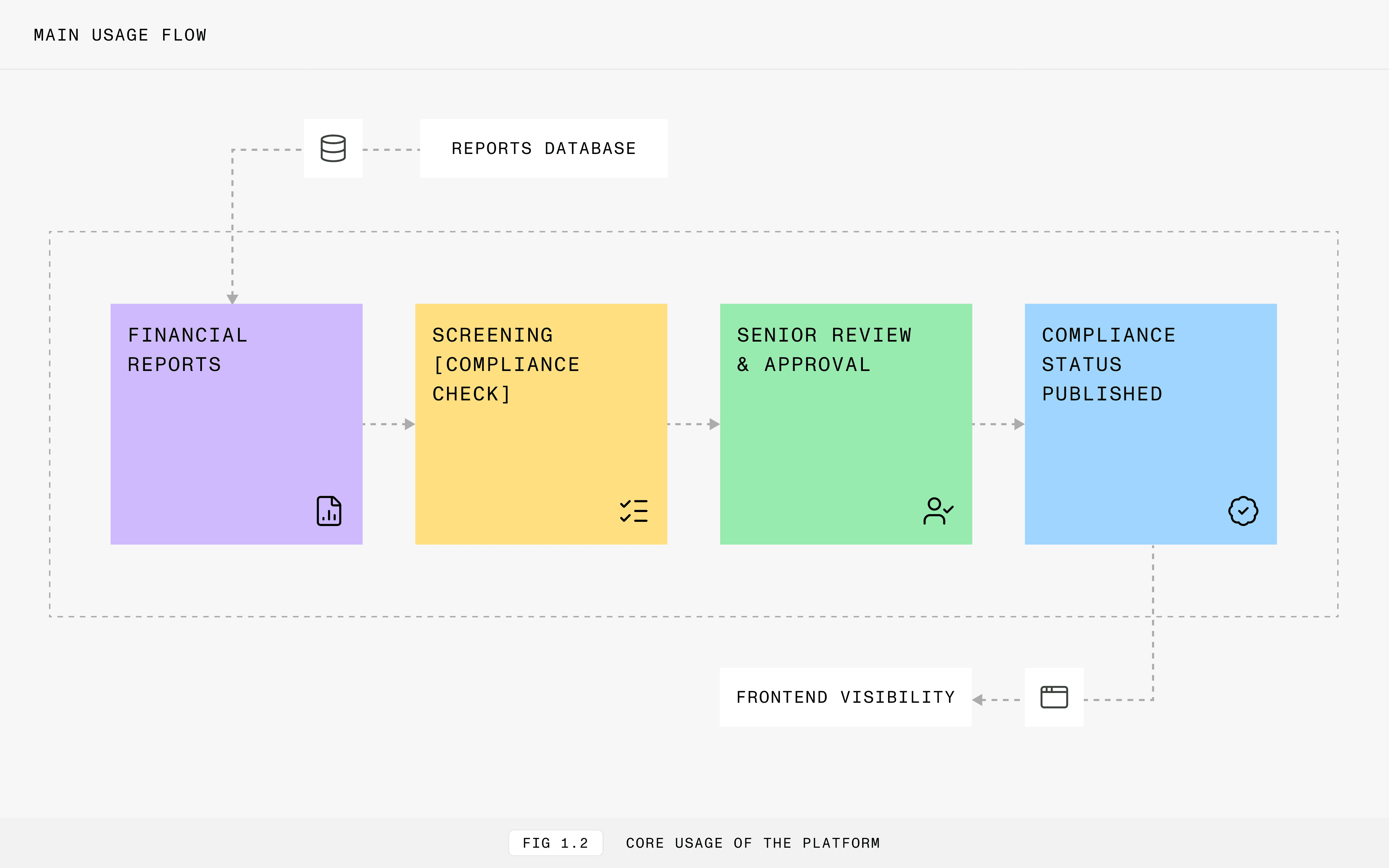
As Merlin struggled with fragmented workflows, poor usability and began impacting productivity, a UI refresh evolved into a structural rebuild that restored clarity and operational efficiency.
As Merlin struggled with fragmented workflows, poor usability and began impacting productivity, a UI refresh evolved into a structural rebuild that restored clarity and operational efficiency.
The Core Problem
“The platform is working, but it’s not helping us in anyway.”
“The platform is working, but it’s not helping us in anyway.”
“The platform is working, but it’s not helping us in anyway.”
– Junior Financial Analyst
– Junior Financial Analyst
– Junior Financial Analyst
Problem Discovery
The team came to us with a vague but straightforward goal, “We need a Redesign for our platform!” But, why?
The team came to us with a vague but straightforward goal, “We need a Redesign for our platform!” But, why?
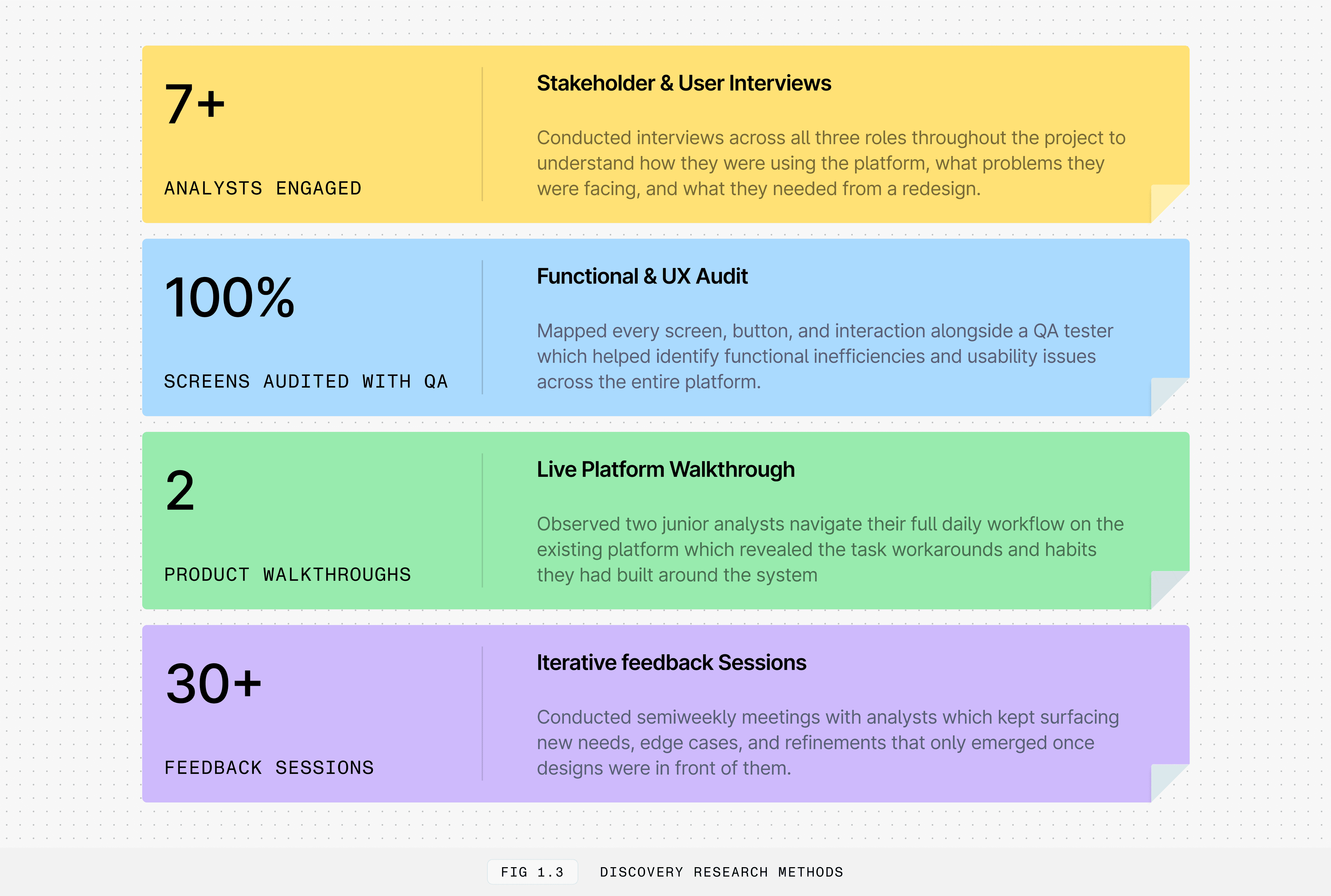
To move beyond the team's initial ask of a redesign, I engaged analysts to build a grounded understanding of how the system was being used, what analysts were struggling with, and where the real problems lived.
To move beyond the team's initial ask of a redesign, I engaged analysts to build a grounded understanding of how the system was being used, what analysts were struggling with, and where the real problems lived.
Observation & Interview Insights
Understanding the system beneath the surface
Understanding the system beneath the surface
We also conducted recurring interviews, usability tests, and product walkthroughs to understand how users used the platform in their daily work and where it slowed them down.
We also conducted recurring interviews, usability tests, and product walkthroughs to understand how users used the platform in their daily work and where it slowed them down.
User Groups
Collaboration among three distinct but interdependent roles
Collaboration among three distinct but interdependent roles
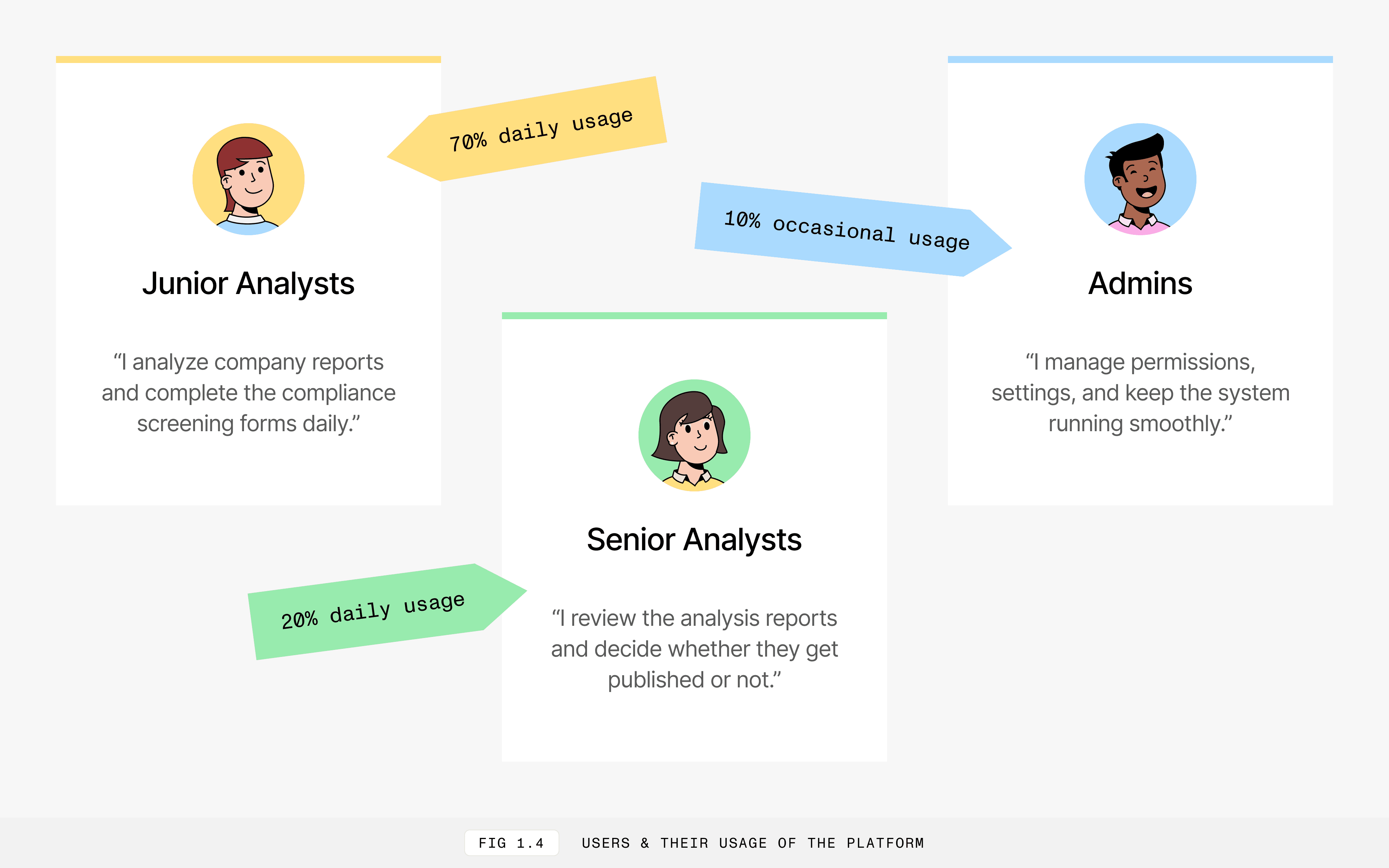
There are three user groups: junior analysts, senior analysts, and admins. Junior analysts are the power users, senior analysts oversee their work and approve or disapprove the reports while admins manage the usual admin work.
There are three user groups: junior analysts, senior analysts, and admins. Junior analysts are the power users, senior analysts oversee their work and approve or disapprove the reports while admins manage the usual admin work.
Current Workflow
The Reports moved manually between roles without any system control
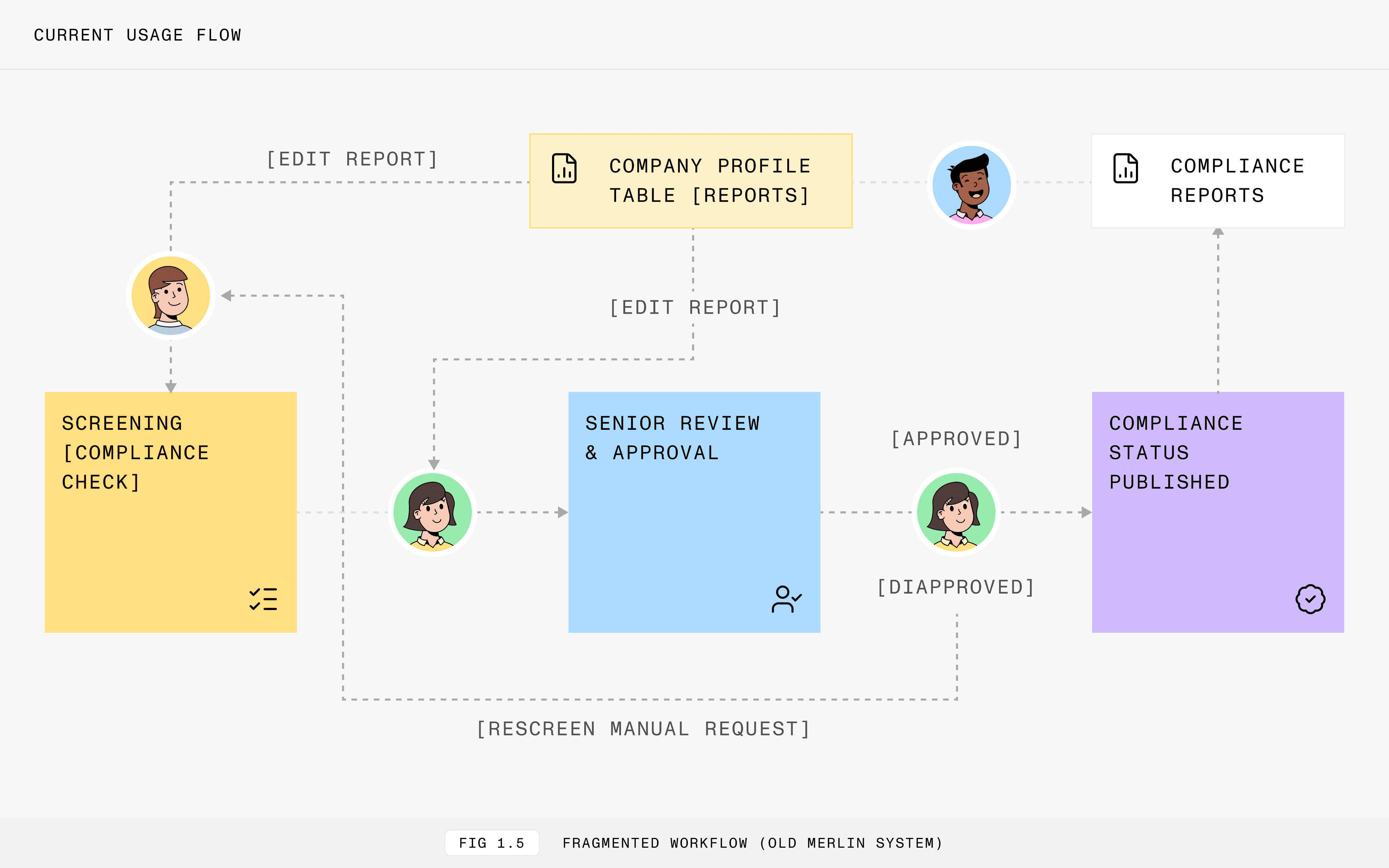
On the surface, reports moved from screening to publishing. In reality, analysts relied on shared tables, manual communication, and implicit ownership to move work forward.
On the surface, reports moved from screening to publishing. In reality, analysts relied on shared tables, manual communication, and implicit ownership to move work forward.
Main Issues
System inefficiencies and usability issues were the problem
System inefficiencies and usability issues were the problem
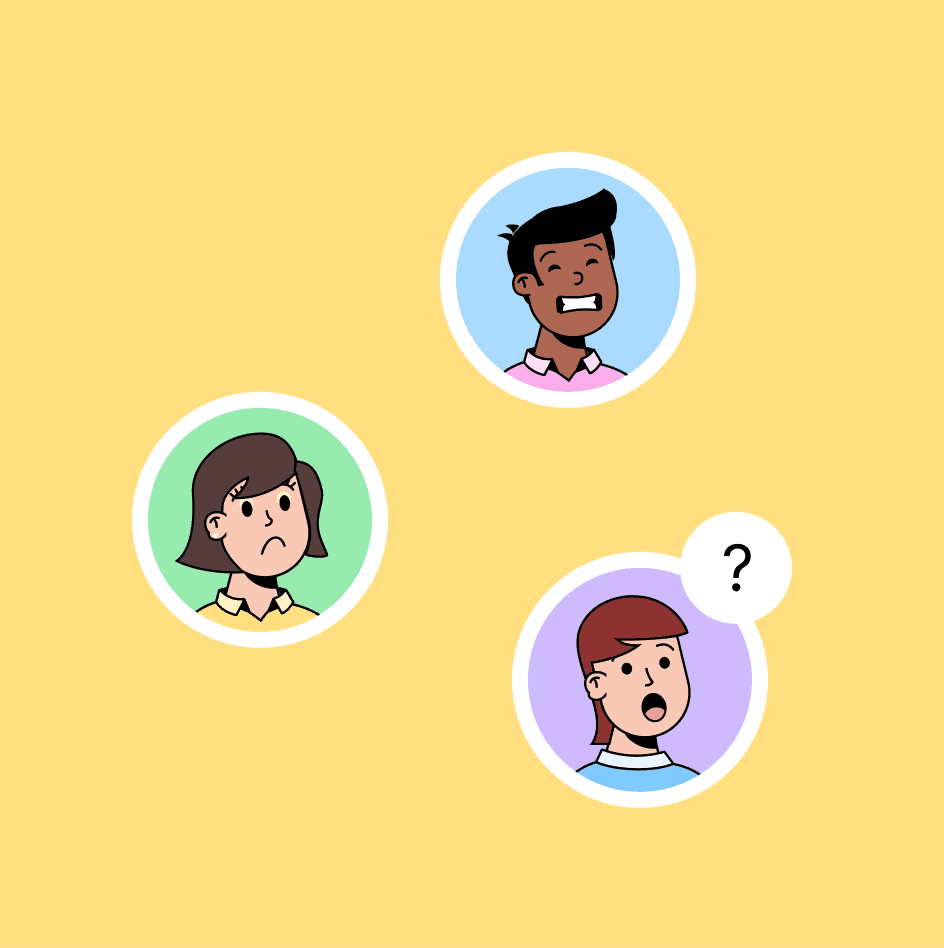
Work ownership was unclear
Reports were auto-assigned to whoever clicked first, with no task ownership or assignment system.
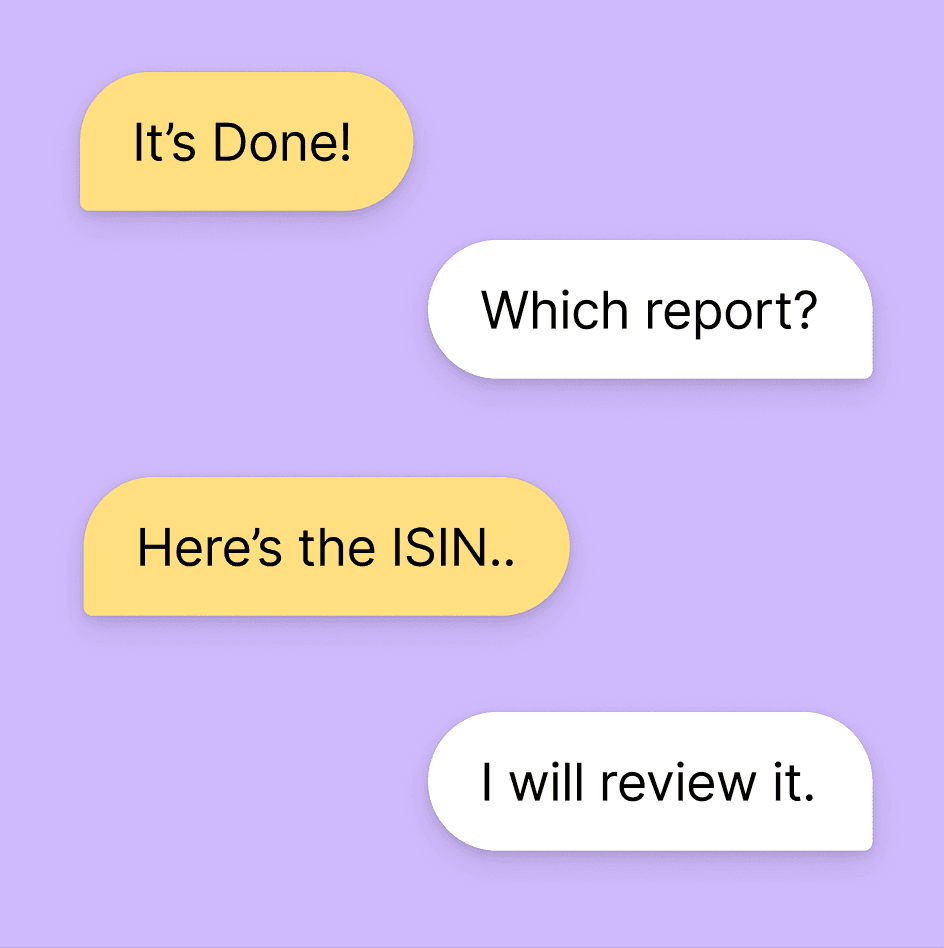
Manual coordination
Report movement between junior and senior analysts relied on manual communication rather than system-driven transitions.
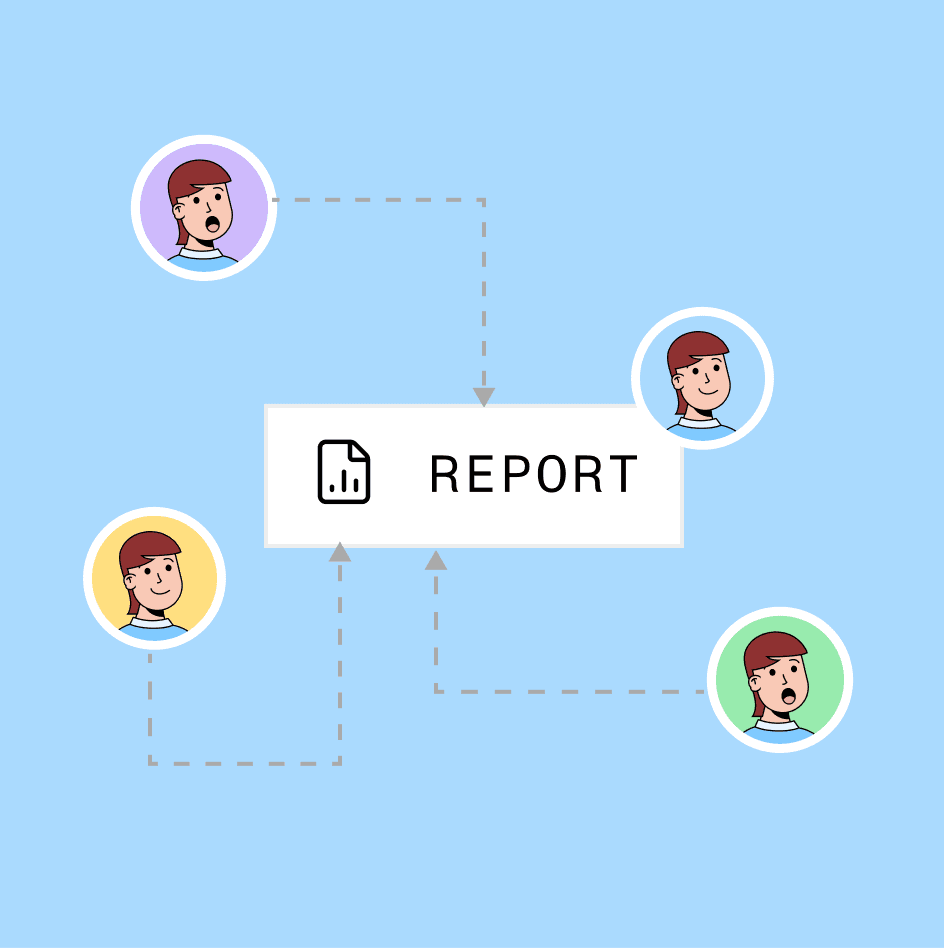
Lack of Access Control
Any analyst could open and edit reports without locking or role restrictions, creating risk and reducing accountability.
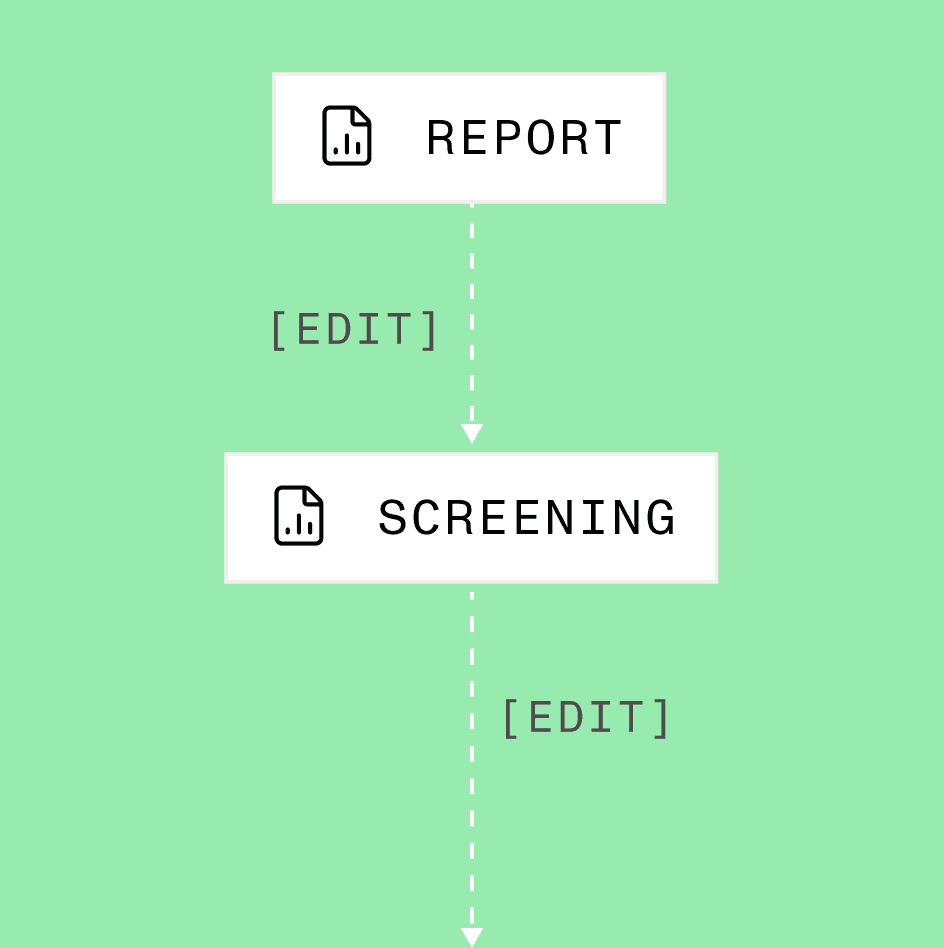
No Enforced Workflow
The system didn’t control how reports progressed through stages in their lifecycle.
The Problem
The compliance process existed, but it wasn’t architected within the system. Workflow control depended on manual coordination rather than enforced platform structure.
The compliance process existed, but it wasn’t architected within the system. Workflow control depended on manual coordination rather than enforced platform structure.
The compliance process existed, but it wasn’t architected within the system. Workflow control depended on manual coordination rather than enforced platform structure.
So, How might we?
Q. Clearly define and track report ownership within the system?
Q. Clearly define and track report ownership within the system?
Q. Clearly define and track report ownership within the system?
Q. Ensure reports move through a structured lifecycle rather than manual coordination?
Q. Ensure reports move through a structured lifecycle rather than manual coordination?
Q. Ensure reports move through a structured lifecycle rather than manual coordination?
Q. Provide real-time visibility of report status across juniors, seniors, and admins?
Q. Provide real-time visibility of report status across juniors, seniors, and admins?
Q. Provide real-time visibility of report status across juniors, seniors, and admins?
Q. Prevent overlapping edits while maintaining collaborative flexibility?
Q. Prevent overlapping edits while maintaining collaborative flexibility?
Q. Prevent overlapping edits while maintaining collaborative flexibility?
With the core workflow gaps identified, the focus shifted from redesigning to redefining how the system could actively manage ownership, visibility, and report movement.
With the core workflow gaps identified, the focus shifted from redesigning to redefining how the system could actively manage ownership, visibility, and report movement.
Solution: Task Manager
A Centralized Task Manager for all stages of Reports
A Centralized Task Manager for all stages of Reports
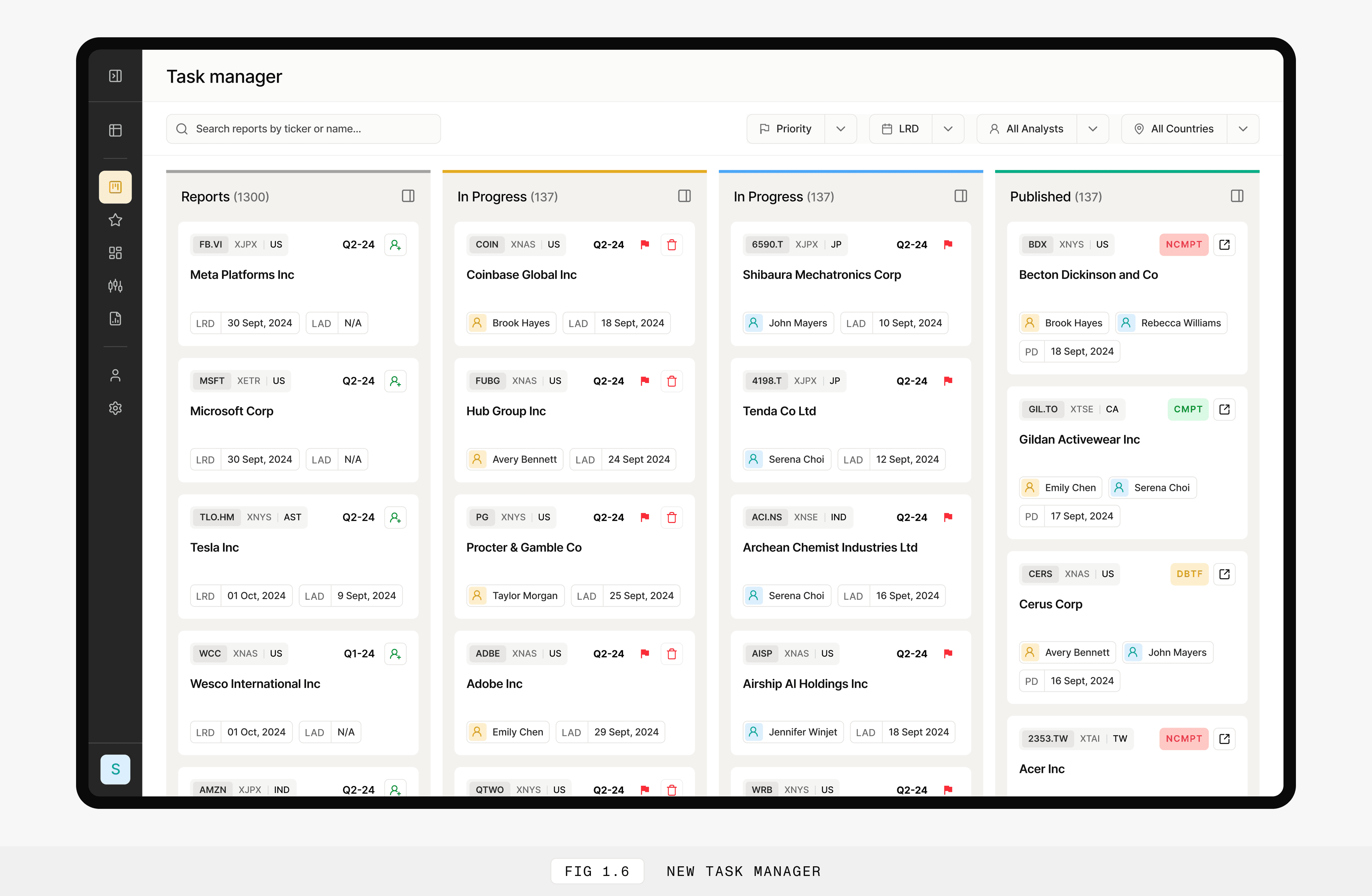
Challenge
Reports were scattered across tables with no shared view of progress. Ownership depended on who opened a report first, making workload and status unclear.
Reports were scattered across tables with no shared view of progress. Ownership depended on who opened a report first, making workload and status unclear.
Solution
A Kanban-style task manager centralizing all active reports. Reports are organized by workflow stages, giving analysts a clear operational view of screening, review, and completion.
A Kanban-style task manager centralizing all active reports. Reports are organized by workflow stages, giving analysts a clear operational view of screening, review, and completion.
Solution: Report Assignment
Assigning ownership to Reports within the workflow
Assigning ownership to Reports within the workflow
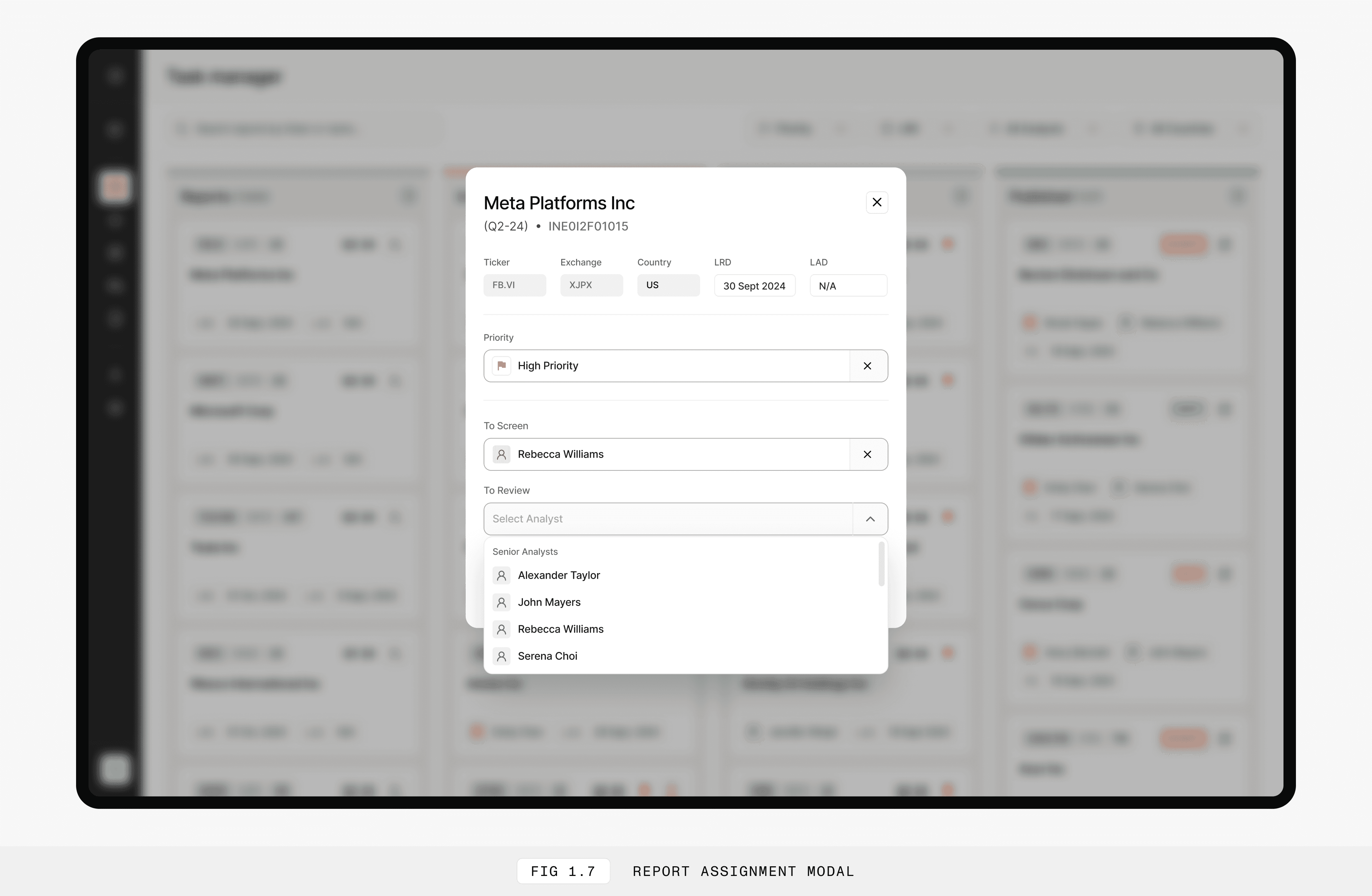
Challenge
Reports could be opened and edited by multiple analysts, causing overlapping work and unclear responsibility. Manual coordination was used to discuss ownership.
Reports could be opened and edited by multiple analysts, causing overlapping work and unclear responsibility. Manual coordination was used to discuss ownership.
Solution
Reports can now be explicitly assigned to analysts responsible for screening and review. Ownership is visible on each task, improving accountability and coordination.
Reports can now be explicitly assigned to analysts responsible for screening and review. Ownership is visible on each task, improving accountability and coordination.
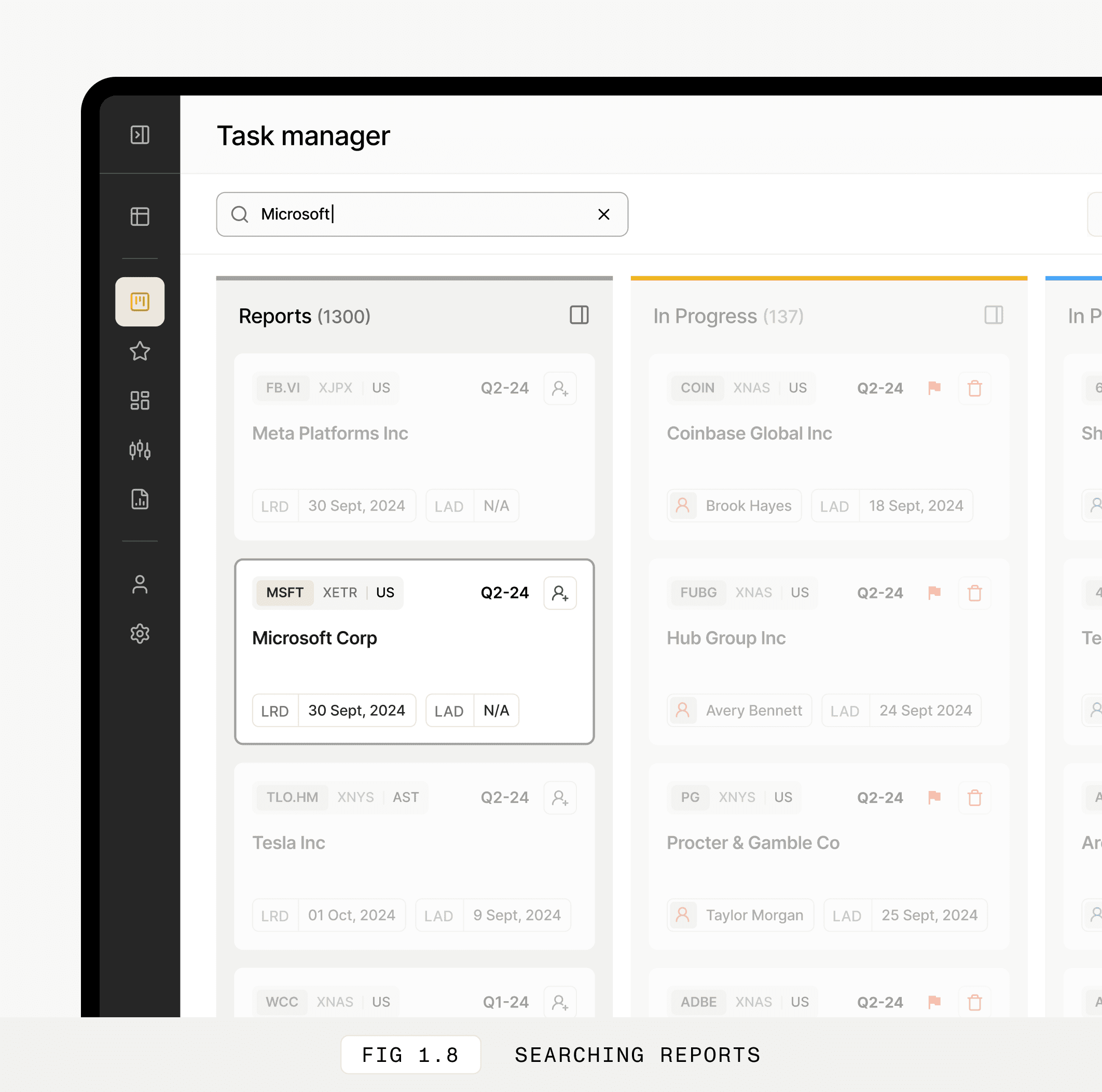
Solution: Searching Reports
Find Reports easily in any stage
Challenge
Finding a specific report using ISIN number in multiple rows of a table was time-consuming in the old platform.
Finding a specific report using ISIN number in multiple rows of a table was time-consuming in the old platform.
Solution
A global search allows analysts to instantly locate reports by company name or ticker across all workflow stages.
A global search allows analysts to instantly locate reports by company name or ticker across all workflow stages.
Solution: Filtering Reports
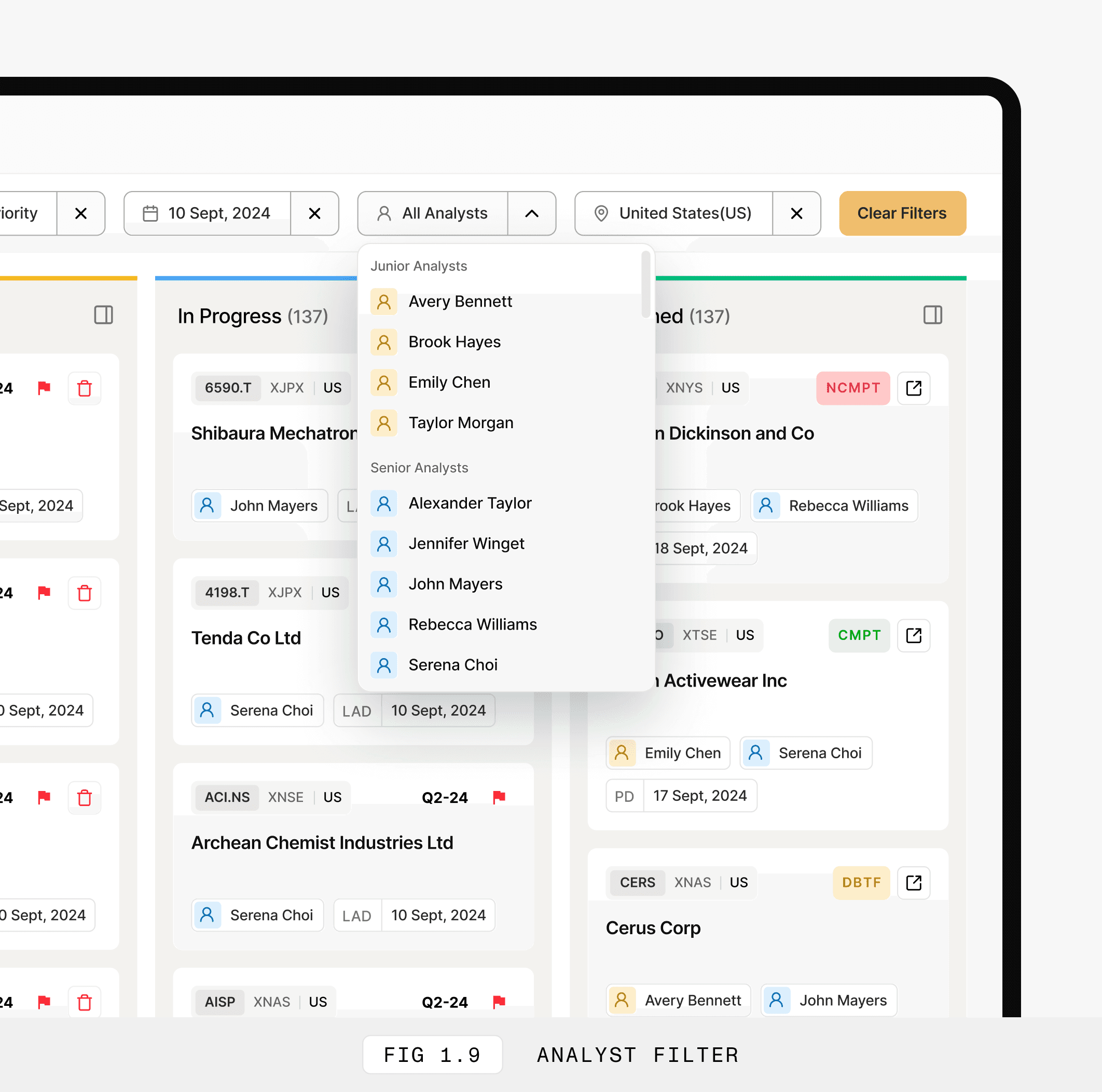
Narrowing down Reports using contextual filtering
Challenge
Analysts needed a quick way to narrow down reports by ownership, region, priority, or dates without manually browsing the entire board.
Analysts needed a quick way to narrow down reports by ownership, region, priority, or dates without manually browsing the entire board.
Solution
Contextual filters enable analysts to refine reports by analyst, country, date, and priority. This helps teams quickly isolate relevant tasks and monitor workload distribution.
Contextual filters enable analysts to refine reports by analyst, country, date, and priority. This helps teams quickly isolate relevant tasks and monitor workload distribution.
Solution: Self-assign
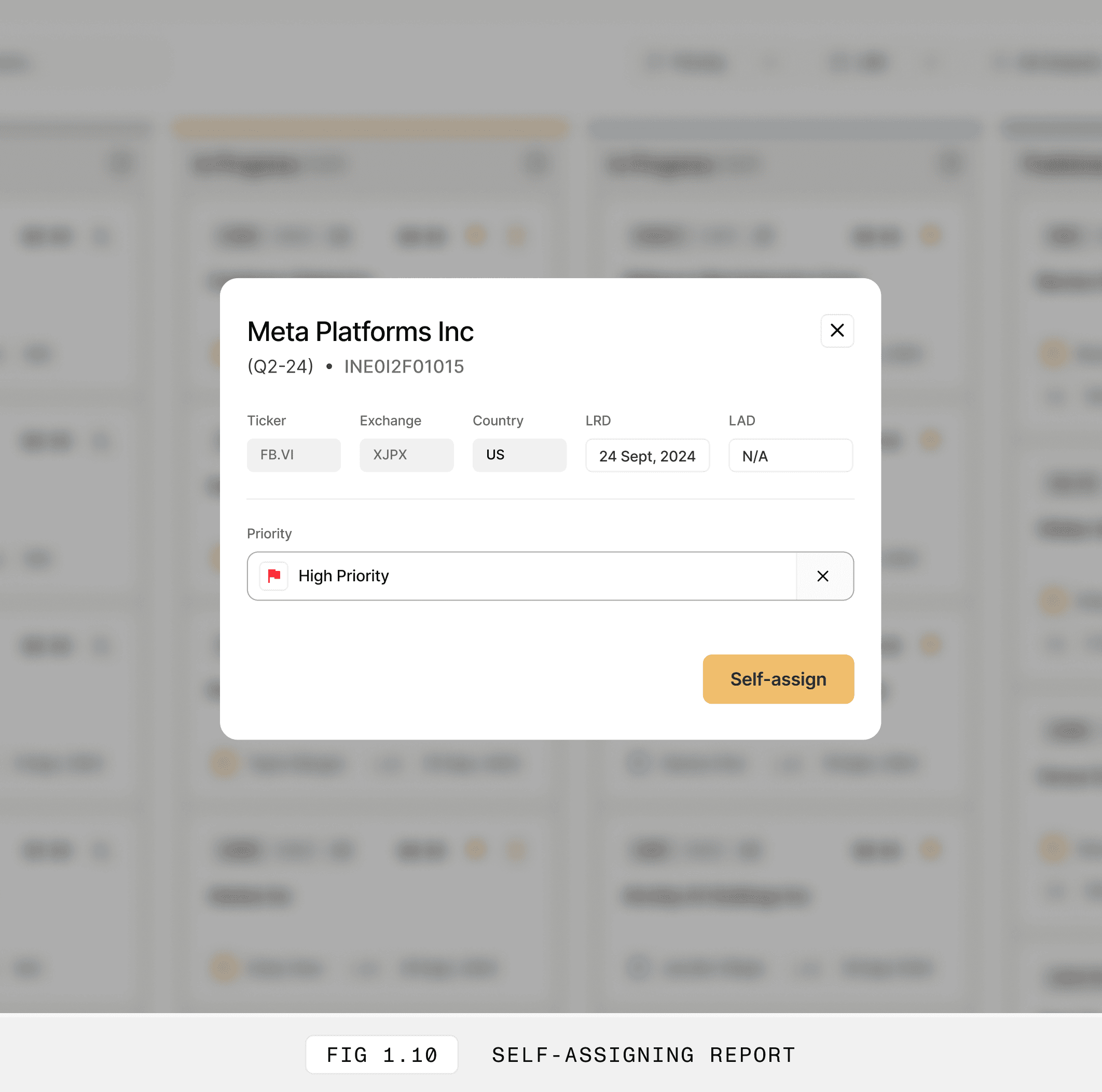
Allowing Reports to be self-assigned by any analysts
Challenge
Reports often remained unclaimed or required assignment, slowing down the screening process.
Reports often remained unclaimed or required assignment, slowing down the screening process.
Solution
Analysts can now self-assign reports directly from the task board. This reduces dependency and ensures reports move into screening without delays.
Analysts can now self-assign reports directly from the task board. This reduces dependency and ensures reports move into screening without delays.
Impact on users
Measurable gains in analyst efficiency and daily throughput
Measurable gains in analyst efficiency and daily throughput
9.8 out of 10 analyst satisfaction rate
9.8 out of 10 analyst satisfaction rate
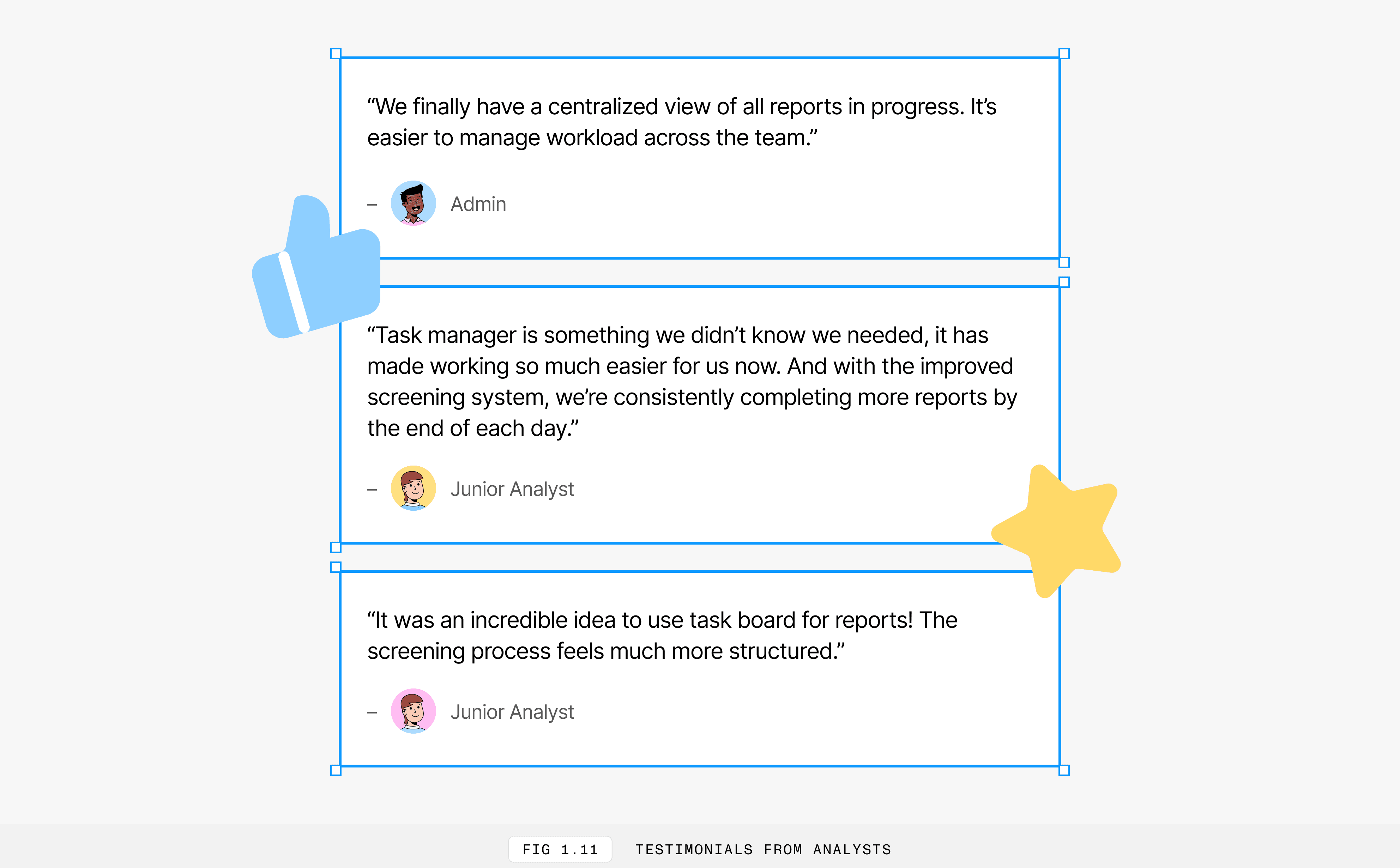
Post-launch feedback from analysts reflected significantly improvement in the daily working experience.
Reports analyzed per day increased from 12 to +25
Reports analyzed per day increased from 12 to +25
Through structured task visibility and a more focused screening interface, analysts were able to process more reports per day.
Review cycle time reduced from ~3 Days to ~1 Day
Review cycle time reduced from ~3 Days to ~1 Day
Structured stage transitions improved turnaround time between screening and approval.
With the introduction of a structured task manager and clear workflow stages, Nova transitioned from manual coordination to system-driven collaboration. Working closely with analysts and engineers, we aligned on measurable outcomes and validated the platform’s operational impact. Beyond this, the redesign reshaped how analysts experienced their daily work
With the introduction of a structured task manager and clear workflow stages, Nova transitioned from manual coordination to system-driven collaboration. Working closely with analysts and engineers, we aligned on measurable outcomes and validated the platform’s operational impact. Beyond this, the redesign reshaped how analysts experienced their daily work
Interested in working together?
Open to full-time product design roles & meaningful collaborations.
Interested in working together?
Open to full-time product design roles & meaningful collaborations.
Interested in working together?
Open to full-time product design roles & meaningful collaborations.